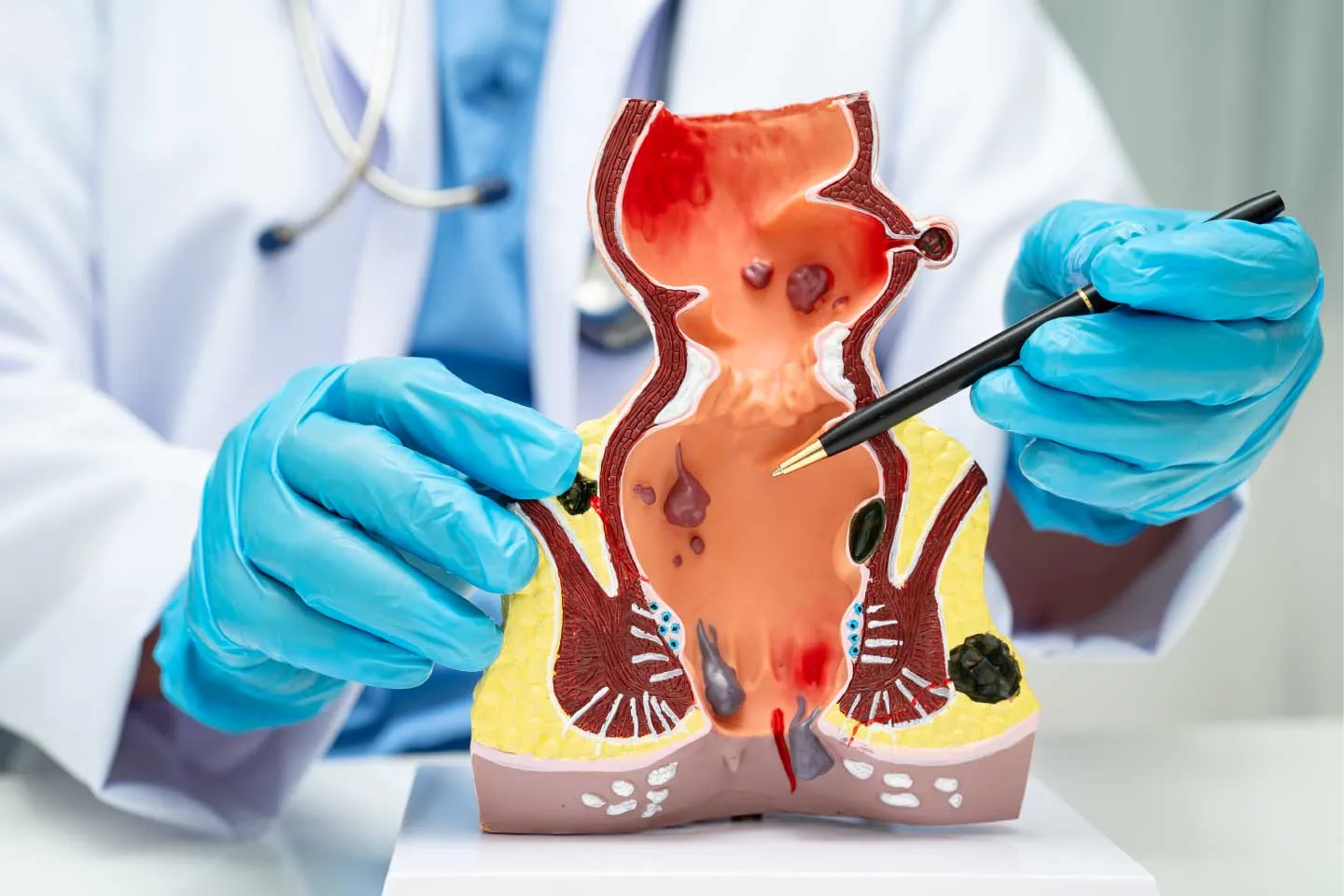
Proctology is a medical specialty focused on diagnosing and treating conditions affecting the rectum, anus, and colon. These areas are crucial for digestion and waste elimination, yet disorders here are often neglected due to embarrassment or lack of awareness.
Dr. Niranjan P is a skilled surgeon who provides comprehensive proctology care with a focus on advanced surgical techniques, patient comfort, and faster recovery. From minor anorectal conditions to complex colorectal diseases, his approach combines medical expertise with compassionate care.
Conditions Treated in Proctology
Dr. Niranjan P specializes in managing a wide range of proctological conditions, including:
- Piles (Haemorrhoids) – Swollen veins in the rectum or anus causing discomfort, bleeding, or itching.
- Fissures – Small tears in the anal lining leading to sharp pain and bleeding during bowel movements.
- Fistulas – Abnormal tunnels between the anal canal and skin, often requiring surgical repair.
- Pilonidal Sinus – Infected cyst or sinus near the tailbone, causing pain and swelling.
- Rectal Prolapse – Protrusion of rectal tissue through the anus.
- Colorectal Polyps – Growths in the colon or rectum that may become cancerous.
- Anal Abscesses – Painful collections of pus caused by infections in anal glands.
- Colon and Rectal Cancer – Early detection and surgical management.
When to See a Proctology Specialist
You should consult Dr. Niranjan P if you experience:
- Persistent rectal bleeding
- Pain or discomfort in the anal area
- Changes in bowel habits (constipation or diarrhea)
- Swelling, lumps, or discharge around the anus
- Unexplained abdominal pain
- Foul-smelling discharge or pus near the anal region
Early evaluation can help detect serious conditions like colorectal cancer in their early stages.
Diagnosis in Proctology
Accurate diagnosis is essential for effective treatment. Dr. Niranjan P may recommend:
- Physical Examination – External and internal inspection of the anal and rectal region.
- Anoscopy/Proctoscopy – Using a small scope to view the rectum and anal canal.
- Colonoscopy – Examining the entire colon for abnormalities.
- Imaging Tests – MRI, CT scan, or ultrasound for detailed assessment.
- Biopsy – If suspicious growths are found.
Treatment Options
Depending on the condition, severity, and patient health, treatment may be:
1. Non-Surgical Management
- High-fiber diet and hydration for constipation relief
- Medications for inflammation, infection, or pain
- Sitz baths to soothe anal discomfort
- Lifestyle modifications to prevent recurrence
2. Minimally Invasive Procedures
- Laser Surgery for Piles and Fistulas – Less pain, quicker healing
- Rubber Band Ligation – Cutting off blood supply to haemorrhoids
- Sclerotherapy – Injection treatment for small hemorrhoids
- Fistula Plug or Glue – For closing abnormal tunnels
3. Advanced Surgical Procedures
- Laparoscopic Colorectal Surgery – Minimally invasive removal of diseased colon/rectum sections
- Stapler Surgery for Haemorrhoids – Faster healing with less discomfort
- Fistulectomy/Fistulotomy – Surgical removal of fistula tracts
- Pilonidal Sinus Excision – Removing infected tissue near the tailbone
- Cancer Surgery – Resection of malignant tumors with precision
Advantages of Minimally Invasive Proctology Surgery
- Smaller incisions and minimal scarring
- Reduced blood loss
- Lower infection risk
- Less post-operative pain
- Faster return to normal activities
- Shorter hospital stay
Recovery and Aftercare
Recovery times vary depending on the condition and treatment method:
- Outpatient Procedures – Most patients return home the same day.
- Post-Surgical Care – Pain relief medications, wound care, and dietary guidelines.
- Lifestyle Guidance – Avoid prolonged sitting, lifting heavy objects cautiously, and maintain good hygiene.
- Follow-Up Appointments – Essential to monitor healing and prevent recurrence.
A fiber-rich diet, adequate water intake, and regular exercise are key to avoiding further anorectal issues.
Why Choose Dr. Niranjan P for Proctology Care?
- Specialized Expertise in both general and advanced laparoscopic surgeries.
- Comprehensive Approach covering diagnosis, treatment, and prevention.
- Modern Techniques such as laser and stapler surgery for better outcomes.
- Patient Comfort Focus with minimal discomfort and quick recovery.
- Ethical, Transparent Care with clear explanations of treatment options.
Prevention Tips for Anorectal Disorders
- Eat a balanced, high-fiber diet to prevent constipation.
- Drink at least 2–3 liters of water daily.
- Avoid straining during bowel movements.
- Maintain good anal hygiene.
- Exercise regularly to improve bowel function.
- Get regular screenings, especially if you have a family history of colorectal cancer.
FAQs on Proctology Services
Q1. Are piles and fissures the same?
No. Piles are swollen blood vessels, while fissures are small tears in the anal lining.
Q2. Is laser surgery safe for anorectal problems?
Yes. Laser surgery is minimally invasive, safe, and offers quicker recovery with less post-operative pain.
Q3. Can colorectal problems be treated without surgery?
Some conditions can be managed medically, but severe or recurring cases often need surgical intervention.
Q4. Is colonoscopy painful?
No. Colonoscopy is usually done under sedation or anesthesia, ensuring comfort.
Q5. Can lifestyle changes prevent proctology problems?
Yes. Healthy eating, hydration, regular exercise, and proper bowel habits significantly reduce the risk.
Consult Dr. Niranjan P – Advanced Proctology Care with Compassion
If you are experiencing discomfort, bleeding, or any anorectal issues, don’t delay seeking help.
Dr. Niranjan P offers advanced, minimally invasive proctology treatments to restore your comfort, confidence and health.

Dr. Niranjan P is a leading General and Laparoscopic Surgeon in Bengaluru, offering advanced minimally invasive treatments focused on precision, safety and faster patient recovery.


© Remedo 2026 | Dr. Niranjan P | All Rights Reserved | Digital Marketing by Remedo