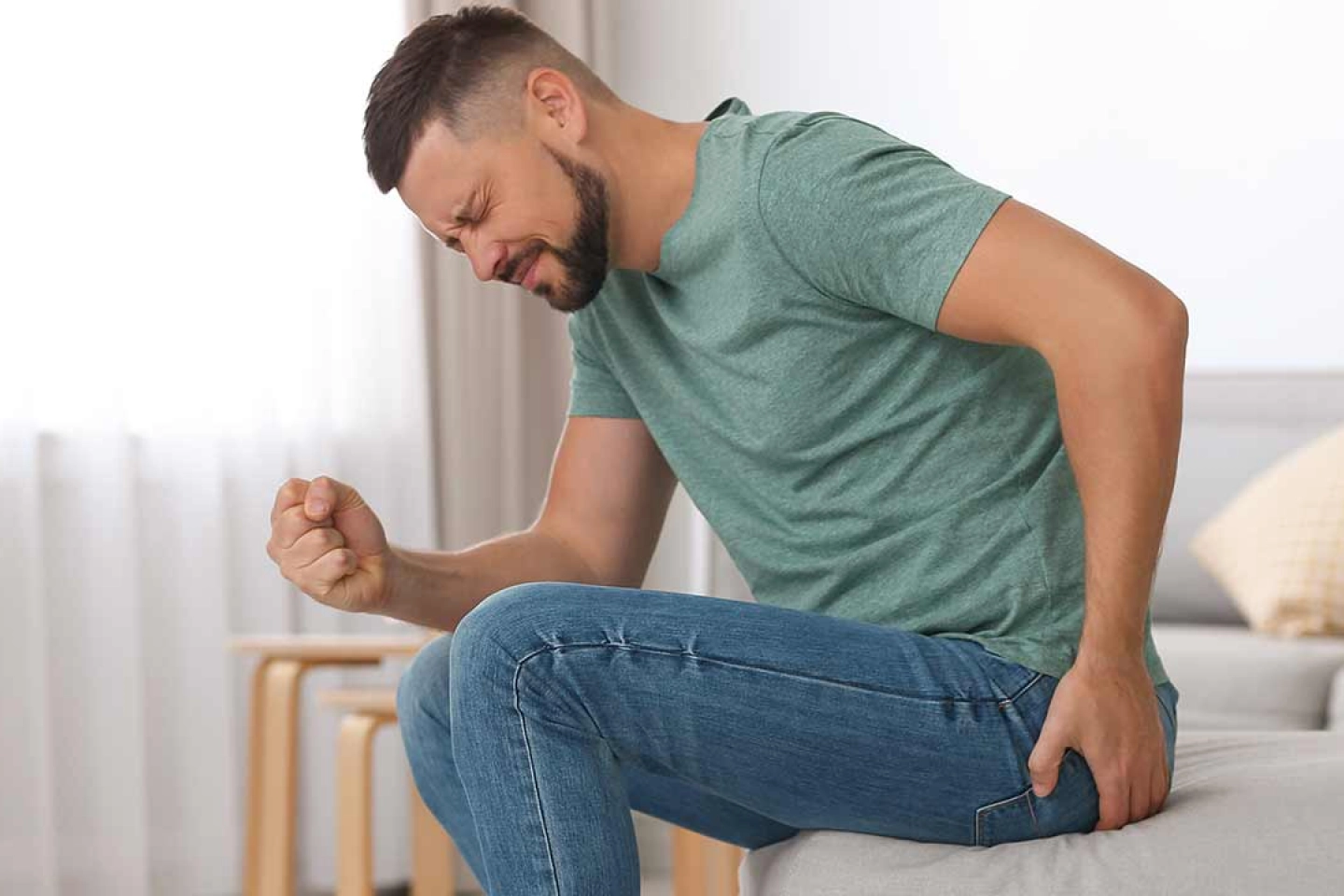
Piles, also called haemorrhoids, are swollen and inflamed veins located in the lower rectum and anus. They can be uncomfortable and, in some cases, extremely painful. While piles are a prevalent condition affecting people of all ages, many hesitate to seek treatment due to embarrassment.
The good news is that piles are completely manageable with timely medical intervention. Modern treatment options are safe, effective, and often minimally invasive, helping you return to comfort quickly.
If you experience symptoms such as bleeding, itching, or discomfort in the anal area, early diagnosis is crucial to prevent complications and ensure faster recovery.
Types of Piles
Piles are generally classified into three main types, depending on their location and severity:
Internal piles:
Found inside the rectum. They are usually painless but may cause bleeding during bowel movements.
External piles:
Located under the skin around the anus, external piles often lead to pain, swelling, and irritation.
Thrombosed piles:
A type of external pile where a blood clot forms, causing intense pain, swelling, and sometimes a bluish discoloration.
Causes of Piles
Piles develop when the veins around the rectum and anus are placed under excessive pressure. This pressure causes the veins to stretch and swell, leading to discomfort. Common causes include:
- Chronic constipation or persistent diarrhoea
- Straining during bowel movements
- A diet low in fibre
- Sitting for long periods, especially on the toilet
- Pregnancy (due to increased pressure on pelvic veins)
- Obesity, which increases abdominal pressure
- Frequent heavy lifting or strenuous activity
Symptoms to Watch Out For
The symptoms of piles can vary from mild irritation to severe pain and bleeding. Signs that you should not ignore include:
- Bright red bleeding during or after bowel movements
- Persistent itching or irritation in the anal region
- Pain or discomfort while sitting or moving
- Swelling or lumps near the anus
- A feeling of incomplete evacuation after passing stools
If you notice any of these symptoms, it’s important to consult a doctor promptly for evaluation and treatment.
Diagnosis
A qualified doctor can diagnose piles using one or more of the following methods:
Physical examination:
Checking for external piles and visible swelling.
Digital rectal examination:
The doctor gently inserts a gloved, lubricated finger into the rectum to feel for abnormalities.
Proctoscopy:
A small instrument is used to view the inside of the anal canal and rectum for internal piles.
Treatment Options for Piles
1. Lifestyle & Dietary Changes
Mild piles can often be treated with simple lifestyle modifications:
- Eat a fibre-rich diet including whole grains, fruits and vegetables.
- Drink at least 8–10 glasses of water daily to soften stools.
- Avoid sitting for prolonged periods, especially on the toilet.
- Exercise regularly to improve bowel function.
2. Medications
For symptom relief, your doctor may recommend:
- Topical creams or ointments to reduce swelling and itching.
- Pain relievers to ease discomfort.
- Stool softeners to prevent straining.
3. Minimally Invasive Procedures (for moderate piles)
These are outpatient procedures with minimal downtime:
- Rubber band ligation: A small band is placed around the base of the pile to cut off the blood supply.
- Sclerotherapy: A chemical solution is injected to shrink the piles.
- Infrared coagulation: Uses infrared light to cut off the blood supply to the pile.
4. Surgical Options (for severe or recurring piles)
- Haemorrhoidectomy: Complete removal of piles, often recommended for large or persistent cases.
- Stapled haemorrhoidopexy: Staples reposition the piles and reduce blood flow, leading to shrinkage.
Prevention Tips
Preventing piles is often possible with simple daily habits:
- Maintain a high-fibre diet to avoid constipation.
- Stay well-hydrated.
- Engage in regular physical activity.
- Avoid straining during bowel movements.
- Go to the toilet as soon as you feel the urge -delaying can worsen constipation.
Piles are a common yet treatable condition that should not be ignored. With today’s medical advancements, you don’t have to live with pain, discomfort, or embarrassment. Seeking professional help early ensures faster recovery and helps prevent future complications.
At Dr. Niranjan P’s clinic, we provide expert diagnosis and tailor-made treatment plans to address your specific condition. Using advanced techniques, we ensure minimal discomfort, quick healing, and lasting relief.
Book Your Consulation today to discuss your symptoms and explore the best treatment options for you. Take the first step towards a pain-free and confident life.

Dr. Niranjan P is a leading General and Laparoscopic Surgeon in Bengaluru, offering advanced minimally invasive treatments focused on precision, safety and faster patient recovery.


© Remedo 2026 | Dr. Niranjan P | All Rights Reserved | Digital Marketing by Remedo