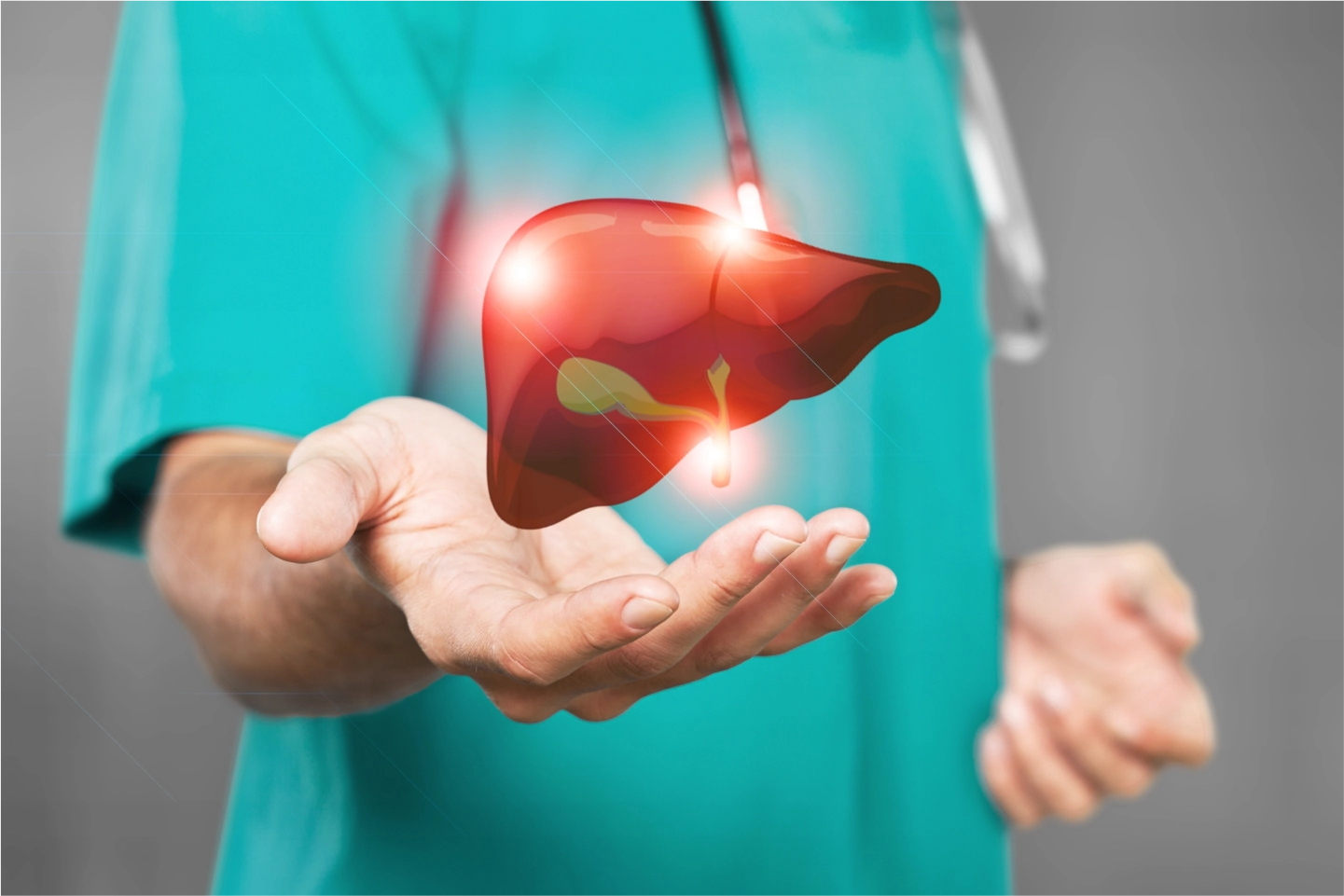
The gallbladder is a small, pear-shaped organ located just below your liver. Its primary function is to store and release bile, a digestive fluid that helps break down fats.
While you can live a healthy life without a gallbladder, issues like gallstones, infections, or inflammation can cause severe discomfort and require surgical removal.
Dr. Niranjan P, a skilled surgeon, specializes in gallbladder removal surgery (cholecystectomy) using advanced minimally invasive techniques for faster recovery and minimal discomfort.
When is Gallbladder Removal Needed?
Gallbladder removal is recommended when patients suffer from:
- Gallstones (hardened deposits of bile)
- Cholecystitis (gallbladder inflammation)
- Biliary dyskinesia (poor gallbladder function)
- Gallbladder polyps that may pose cancer risks
- Choledocholithiasis (stones in the bile duct)
- Pancreatitis caused by gallstones
Symptoms that may indicate gallbladder issues include:
- Sudden and intense abdominal pain (often in the upper right side)
- Nausea and vomiting
- Indigestion, bloating, or fatty food intolerance
- Fever or chills (possible infection)
- Jaundice (yellowing of skin and eyes)
If left untreated, gallbladder problems can lead to life-threatening complications such as severe infections or bile duct blockages.
Diagnosis of Gallbladder Issues
To confirm a gallbladder condition, Dr. Niranjan P may recommend:
- Ultrasound scan (most common and effective for detecting gallstones)
- Blood tests to check for infection or liver function abnormalities
- CT scan or MRI for detailed imaging
- HIDA scan to assess gallbladder function
Types of Gallbladder Removal Surgery
Dr. Niranjan P offers both open and minimally invasive gallbladder removal techniques, with a strong preference for laparoscopic methods whenever possible.
1. Laparoscopic Cholecystectomy (Minimally Invasive)
- Performed through 3–4 small incisions in the abdomen.
- A laparoscope (camera) guides the surgeon during the procedure.
- The gallbladder is carefully detached and removed.
- Advantages:
- Smaller scars and better cosmetic results
- Less post-operative pain
- Shorter hospital stay (often same-day discharge)
- Faster recovery and return to daily activities
2. Open Cholecystectomy
- Involves a larger incision below the ribcage.
- Used when complications, severe inflammation, or scar tissue make laparoscopy unsafe.
- Longer recovery period compared to laparoscopic surgery.
Procedure Overview
- Preparation – Fasting for several hours before surgery; anesthesia administered.
- Surgical removal – Gallbladder detached from the liver and bile ducts.
- Closure – Incisions closed with sutures or surgical glue.
- Recovery monitoring – Vital signs and comfort checked before discharge.
Recovery After Gallbladder Removal
Most patients recover quickly after laparoscopic surgery. General recovery guidelines include:
- Hospital stay – Same-day or 1-night admission for laparoscopic; 3–5 days for open surgery.
- Dietary adjustments – Initially a low-fat diet; gradually reintroduce normal foods.
- Activity – Light activities in a few days; avoid heavy lifting for 4–6 weeks.
- Pain management – Mild pain and shoulder discomfort (from gas used during laparoscopy) are common but temporary.
- Follow-up – Scheduled to monitor healing and address any concerns.
Life Without a Gallbladder
Your liver will continue to produce bile, but instead of storing it in the gallbladder, it will flow directly into the small intestine.
Most people adjust well, though some may initially experience:
- Loose stools
- Temporary bloating
- Mild indigestion
These symptoms usually improve with dietary adjustments and time.
Why Choose Dr. Niranjan P for Gallbladder Removal?
- Specialized Expertise – Years of surgical experience in gallbladder and abdominal procedures.
- Advanced Laparoscopic Skills – Minimally invasive approach for faster recovery.
- Patient-Centered Care – Clear communication, compassionate guidance, and tailored treatment plans.
- State-of-the-Art Facilities – Equipped for safe and efficient surgeries.
- Proven Success – High success rate and patient satisfaction in gallbladder surgeries.
Preventing Gallbladder Issues
While not all gallbladder problems can be prevented, you can lower your risk by:
- Maintaining a healthy weight
- Eating a balanced, low-cholesterol diet
- Staying physically active
- Avoiding rapid weight loss diets
FAQs on Gallbladder Removal Surgery
Q1. Is gallbladder removal the only treatment for gallstones?
For symptomatic gallstones, surgery is the most effective and permanent solution. Non-surgical methods often have high recurrence rates.
Q2. Will I need to change my diet permanently after surgery?
Most patients can return to a normal diet. Initially, a low-fat diet helps reduce digestive discomfort.
Q3. Is laparoscopic surgery safe for elderly patients?
Yes, in most cases. Dr. Niranjan P evaluates overall health before recommending the safest approach.
Q4. Can gallstones come back after gallbladder removal?
No, once the gallbladder is removed, new gallstones cannot form in it. However, stones can rarely form in bile ducts.
Consult Dr. Niranjan P – Regain Your Digestive Comfort
Gallbladder problems can significantly affect your quality of life. With expert care from Dr. Niranjan P, you can enjoy a safe, smooth, and effective gallbladder removal surgery.
Book Your Consulation today and take the first step toward relief from pain and discomfort.

Dr. Niranjan P is a leading General and Laparoscopic Surgeon in Bengaluru, offering advanced minimally invasive treatments focused on precision, safety and faster patient recovery.


© Remedo 2026 | Dr. Niranjan P | All Rights Reserved | Digital Marketing by Remedo