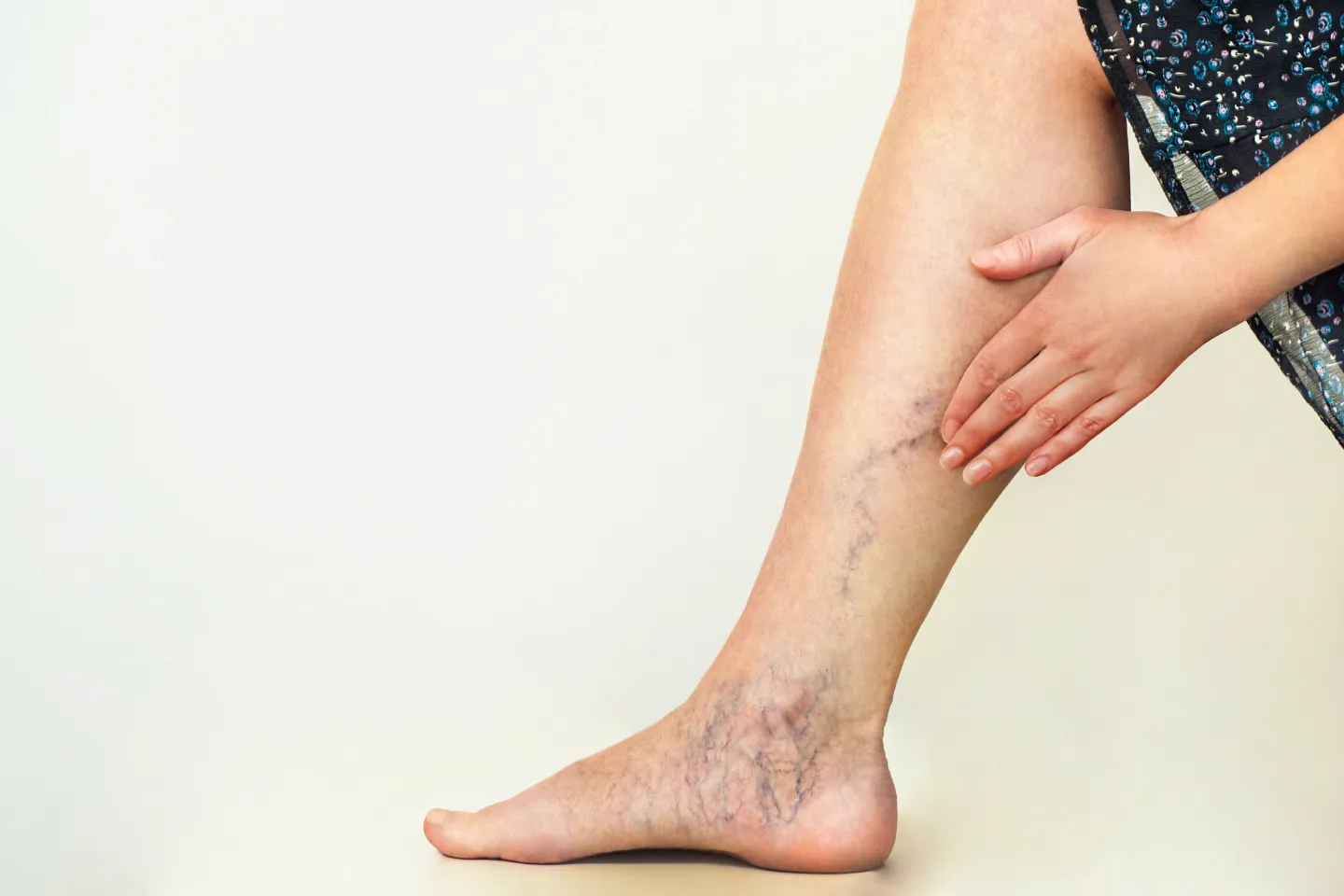
Varicose veins are a common vascular condition that affects millions of people, especially as they age. These enlarged, twisted veins are often visible just beneath the skin and usually appear on the legs. While varicose veins are typically not dangerous, they can cause discomfort and lead to more severe complications if left untreated. Understanding the causes, symptoms, and risk factors associated with varicose veins can help you take proactive steps to manage the condition and prevent it from worsening.
What Are Varicose Veins?
Varicose veins are swollen, dilated veins that can be seen through the skin, often appearing dark purple or blue. They usually occur in the legs and feet, where veins have to work against gravity to return blood to the heart. When the valves inside the veins become weakened or damaged, blood begins to flow backward and pool in the veins, causing them to become enlarged and twisted. Over time, this can lead to more noticeable and uncomfortable varicose veins.
Causes of Varicose Veins
Several factors contribute to the development of varicose veins. The most common causes include:
- Weakened or Damaged Valves: Veins have one-way valves that prevent blood from flowing backward. When these valves become damaged or weakened, blood can pool in the veins, leading to swelling and the formation of varicose veins.
- Age: As we age, the walls of the veins naturally weaken and the valve function decreases. This is why varicose veins are more common in older adults.
- Genetics: A family history of varicose veins can significantly increase the likelihood of developing the condition. If your parents or siblings have varicose veins, you may be at a higher risk.
- Hormonal Changes: Pregnancy, menopause, and the use of birth control can alter hormone levels, which in turn can affect the strength and function of vein walls. Pregnant women, in particular, are more likely to develop varicose veins due to the increased pressure on the veins in the legs.
- Prolonged Standing or Sitting: Jobs or activities that require standing or sitting for long periods of time can increase pressure on the veins and prevent proper blood circulation, contributing to varicose veins.
- Obesity: Being overweight puts additional pressure on the veins, increasing the risk of developing varicose veins.
- Pregnancy: Pregnancy increases the blood volume in the body, and the growing uterus can put pressure on the veins in the legs, contributing to varicose veins.
Symptoms of Varicose Veins
Varicose veins may be painless in some cases, but they can also cause a variety of symptoms. Common symptoms include:
- Visible Twisted Veins: The most obvious symptom of varicose veins is the appearance of dark, swollen, and twisted veins just under the surface of the skin, usually on the legs.
- Pain or Aching: Many people with varicose veins experience aching, throbbing, or a feeling of heaviness in their legs, especially after standing or sitting for extended periods.
- Swelling: Swollen ankles and feet are common in people with varicose veins, especially after prolonged standing or walking.
- Itching or Burning Sensation: Some individuals may experience itching or a burning feeling around the varicose veins due to poor circulation.
- Leg Cramps: Cramps or muscle spasms in the legs, especially at night, can also be a symptom of varicose veins.
- Skin Changes: In severe cases, the skin around varicose veins may become discolored, and ulcers may develop.
When to Seek Medical Help
While varicose veins are typically not harmful, you should seek medical attention if you experience severe pain, significant swelling, or any signs of complications, such as ulcers, bleeding, or blood clots. Early intervention can help manage symptoms and prevent further issues.
Conclusion
Varicose veins are a common condition that can cause visible veins, pain, swelling, and discomfort. Understanding the causes and symptoms of varicose veins can help you take preventive measures, such as maintaining a healthy weight, exercising regularly, and avoiding prolonged periods of standing or sitting. If you are experiencing symptoms of varicose veins, consult General, Laparoscopic and Bariatric Surgeon Dr.Niranjan P in Bengaluru to discuss treatment options, which may include lifestyle changes, compression stockings, or medical procedures.
Dr. Niranjan P is a leading General and Laparoscopic Surgeon in Bengaluru, offering advanced minimally invasive treatments focused on precision, safety and faster patient recovery.


© Remedo 2026 | Dr. Niranjan P | All Rights Reserved | Digital Marketing by Remedo