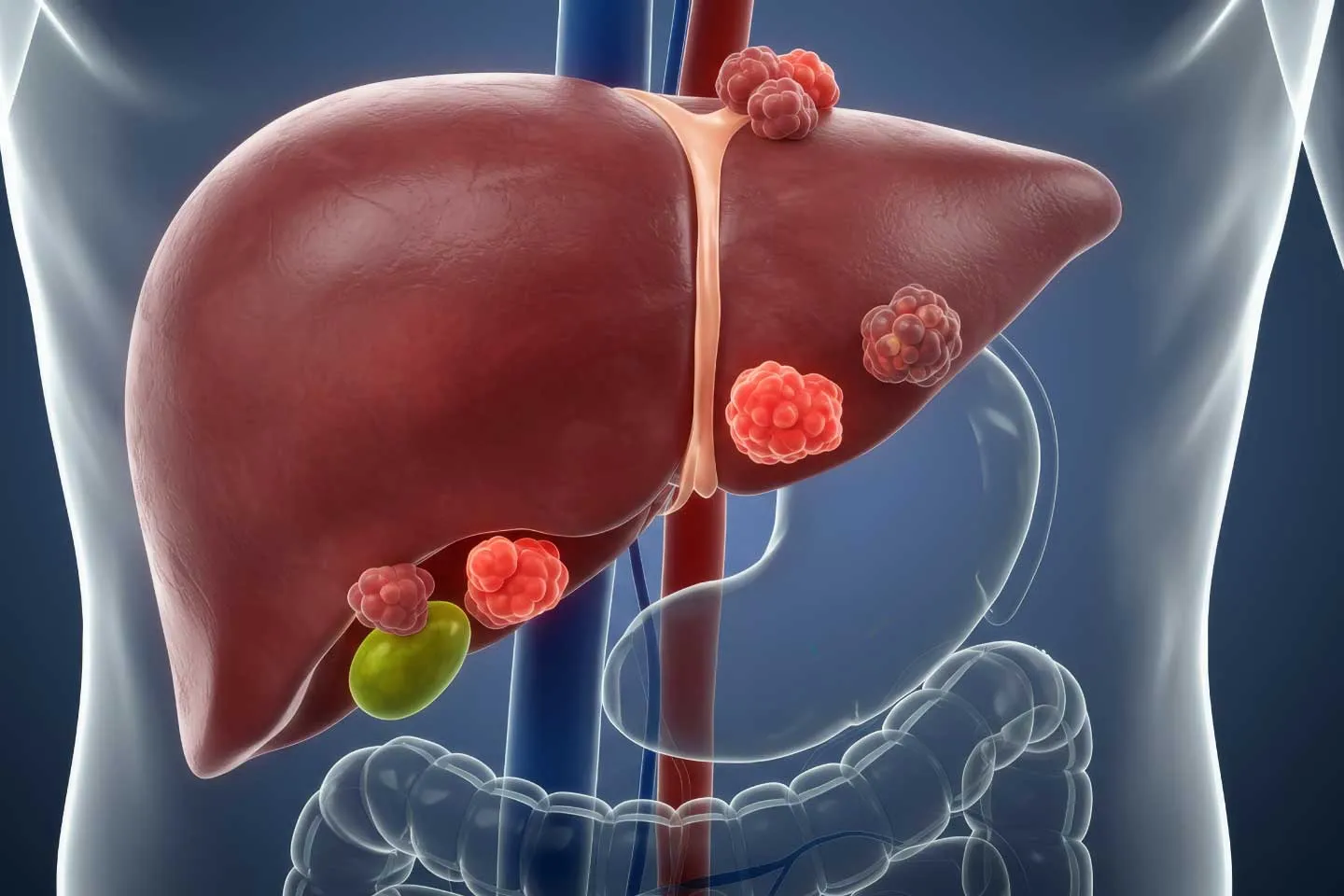
Liver cirrhosis is a serious liver condition where healthy liver tissue is gradually replaced by scar tissue, which can impair liver function over time. As cirrhosis progresses, it can lead to various complications and life-threatening conditions. It’s crucial to understand the causes, symptoms, and available treatments for cirrhosis to manage the disease effectively.
What Is Liver Cirrhosis?
Cirrhosis is the final stage of liver scarring caused by long-term liver damage. Healthy liver tissue is replaced by scar tissue, making it harder for the liver to perform its essential functions, including detoxifying the body, producing proteins, and aiding digestion. This scarring is usually a result of long-term liver diseases, such as hepatitis, chronic alcohol abuse, or fatty liver disease.
Causes of Liver Cirrhosis
The primary causes of liver cirrhosis include:
- Chronic Alcohol Abuse: Excessive drinking over years can damage the liver, leading to cirrhosis. Alcohol-related liver disease (ALD) is a leading cause of cirrhosis.
- Chronic Viral Hepatitis: Hepatitis B and C infections can cause inflammation and scarring of the liver. Over time, this damage can progress to cirrhosis.
- Nonalcoholic Fatty Liver Disease (NAFLD): Fat buildup in the liver, often associated with obesity, diabetes, and poor diet, can lead to cirrhosis if left untreated.
- Genetic Conditions: Certain inherited conditions like Wilson’s disease, hemochromatosis (iron buildup), and alpha-1 antitrypsin deficiency can lead to liver damage and cirrhosis.
- Bile Duct Diseases: Conditions like primary biliary cholangitis (PBC) can damage the bile ducts and lead to cirrhosis.
- Medications and Toxins: Long-term use of certain medications or exposure to environmental toxins can cause liver damage, leading to cirrhosis.
Symptoms of Liver Cirrhosis
Early stages of cirrhosis may not show significant symptoms. However, as the disease progresses, the following symptoms may arise:
- Fatigue: Feeling extremely tired or weak, even with minimal activity.
- Abdominal Swelling (Ascites): Fluid buildup in the abdomen, causing discomfort and bloating.
- Jaundice: Yellowing of the skin and eyes due to liver’s inability to process bilirubin.
- Itchy Skin: Accumulation of bile salts beneath the skin can cause persistent itching.
- Easy Bruising and Bleeding: A damaged liver produces fewer clotting factors, leading to easy bruising and prolonged bleeding.
- Swollen Legs and Ankles: Fluid retention due to liver dysfunction.
- Confusion or Difficulty Thinking (Hepatic Encephalopathy): A buildup of toxins in the brain, causing mental confusion.
Diagnosis of Liver Cirrhosis
To diagnose cirrhosis, doctors will typically perform:
- Blood Tests: To check for liver function and detect underlying conditions like hepatitis.
- Imaging: Ultrasound, CT scans, or MRI can provide a clear view of liver damage.
- Liver Biopsy: A small sample of liver tissue may be taken to determine the extent of liver damage.
- Endoscopy: To check for varices or bleeding in the esophagus, a complication of cirrhosis.
Treatment and Management of Liver Cirrhosis
While cirrhosis cannot be reversed, early diagnosis and proper treatment can help manage symptoms and prevent complications. Treatment options include:
Lifestyle Changes
- Avoid Alcohol: The most crucial step is to stop drinking alcohol to prevent further liver damage.
- Healthy Diet: A low-sodium, high-fiber diet rich in fruits and vegetables can help manage symptoms like ascites and fatigue.
Medications
- Diuretics: Help reduce fluid buildup in the abdomen and legs.
- Beta-blockers: Used to reduce the risk of bleeding from varices (swollen blood vessels in the esophagus).
- Antiviral Medications: For patients with hepatitis B or C to control the virus.
- Liver Transplant: For patients with advanced cirrhosis and liver failure, a liver transplant may be the only option. A successful liver transplant can restore liver function and improve quality of life.
Managing Complications
- Liver Cancer Screening: Patients with cirrhosis are at higher risk for liver cancer, so regular screening is crucial.
- Treating Infections: Cirrhosis can weaken the immune system, increasing susceptibility to infections, so timely treatment is necessary.
FAQs
Q1: Can cirrhosis be cured?
No, cirrhosis cannot be cured, but it can be managed effectively with medication, lifestyle changes, and, in some cases, a liver transplant.
Q2: How long can someone live with cirrhosis?
With early diagnosis and proper treatment, people with cirrhosis can live for many years. However, advanced cirrhosis can lead to liver failure and significantly affect life expectancy.
Q3: Can cirrhosis be prevented?
Cirrhosis can be prevented by avoiding excessive alcohol consumption, managing hepatitis infections, maintaining a healthy weight, and avoiding exposure to toxins.
Conclusion
Liver cirrhosis is a progressive disease that can be managed with proper care and lifestyle changes. Early diagnosis and treatment are key to slowing its progression and improving quality of life. If you experience symptoms of cirrhosis or have risk factors like chronic alcohol use or hepatitis, seek medical advice as soon as possible to start managing the condition effectively.

Dr. Niranjan P is a leading General and Laparoscopic Surgeon in Bengaluru, offering advanced minimally invasive treatments focused on precision, safety and faster patient recovery.


© Remedo 2026 | Dr. Niranjan P | All Rights Reserved | Digital Marketing by Remedo