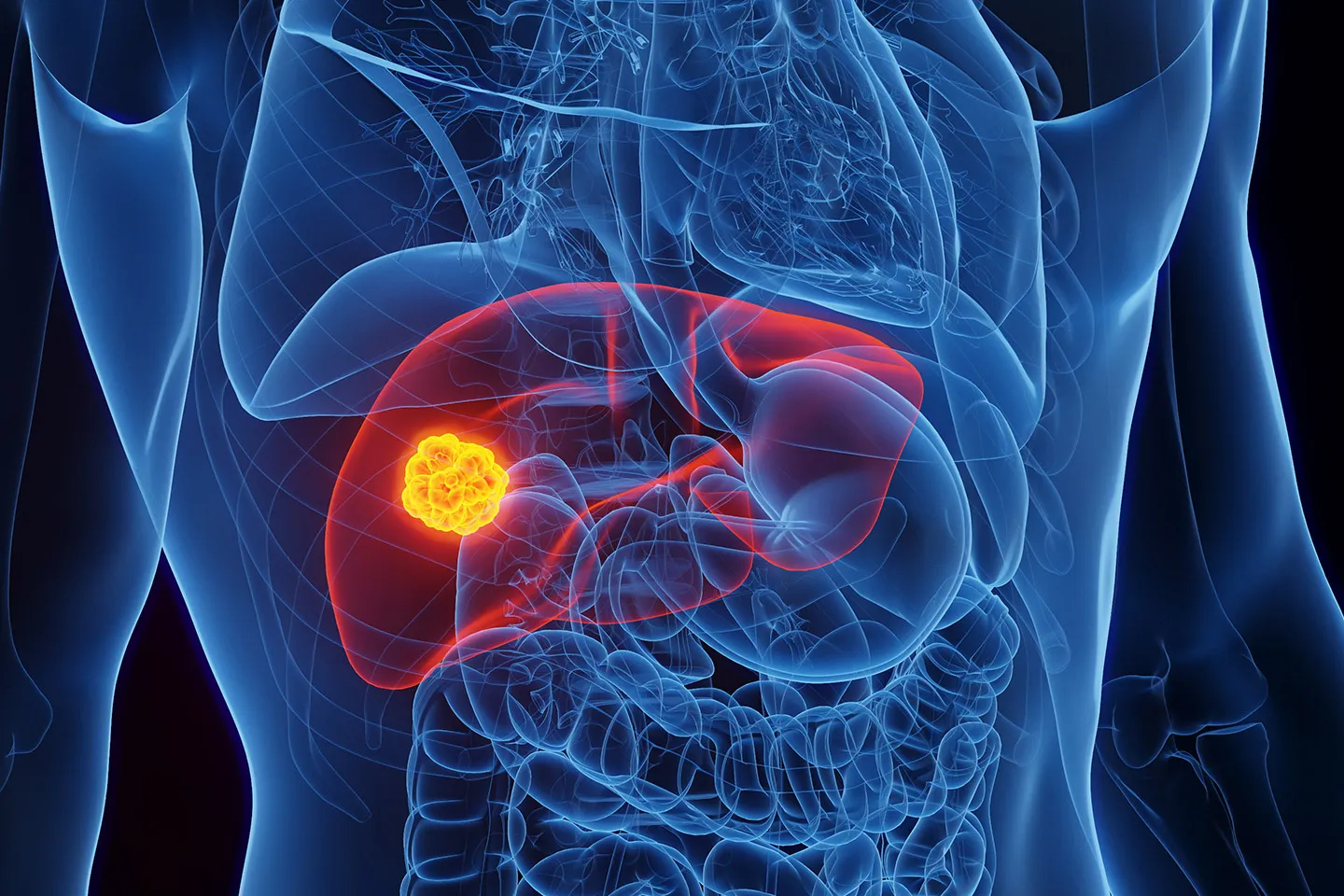
Hepatic cysts, or liver cysts, are fluid-filled sacs in the liver. While often benign and asymptomatic, their presence can sometimes cause concern. This blog aims to comprehensively understand hepatic cysts, dispel common myths, and highlight important facts about this condition.
What Are Hepatic Cysts
Hepatic cysts are fluid-filled sacs that can develop in the liver. They can vary in size from a few millimetres to several centimetres. Most hepatic cysts are benign (non-cancerous) and do not cause symptoms, but some can lead to complications if they grow large or become infected.
Types of Hepatic Cysts
- Simple Cysts: The most common type, usually asymptomatic and discovered incidentally.
- Polycystic Liver Disease (PLD): A genetic disorder characterized by multiple cysts in the liver.
- Hydatid Cysts: Caused by a parasitic infection from the Echinococcus tapeworm.
- Cystadenomas and Cystadenocarcinomas: Rare cystic tumors that can be benign or malignant.
Symptoms of Hepatic Cysts
Many hepatic cysts do not cause symptoms and are found during imaging tests for other conditions. When symptoms occur, they may include:
- Abdominal pain or discomfort
- Bloating or a feeling of fullness
- Nausea and vomiting
- Jaundice (yellowing of the skin and eyes) if the cyst obstructed bile ducts
Diagnosis
Hepatic cysts are typically diagnosed using imaging tests such as:
- Ultrasound: A standard, non-invasive method to visualize cysts.
- CT Scan: Provides detailed images to assess the size and location of cysts.
- MRI: Offers high-resolution images to differentiate between types of cysts.
Treatment Options
Treatment depends on the type and size of the cyst and the presence of symptoms. Common approaches include:
- Observation: Small, asymptomatic cysts may require no treatment but should be monitored regularly.
- Aspiration and Sclerotherapy: Drain the cyst and inject a sclerosing agent to prevent recurrence.
- Surgical Removal: Indicated for large cysts, symptomatic cysts, or those suspected to be malignant.
Myths and Facts About Hepatic Cysts
Myth: All hepatic cysts are cancerous.
Fact: Most hepatic cysts are benign and non-cancerous. Only a small percentage may be malignant or have the potential to become cancerous.
Myth: Hepatic cysts always cause symptoms.
Fact: Many hepatic cysts are asymptomatic and are often discovered incidentally during imaging tests for other conditions.
Myth: Surgery is the only treatment for hepatic cysts.
Fact: Treatment depends on the size and symptoms of the cyst. Many cysts can be managed with observation or minimally invasive procedures like aspiration and sclerotherapy.
Myth: Hepatic cysts can be prevented with a specific diet.
Fact: There is no particular diet to prevent hepatic cysts. Maintaining overall liver health with a balanced diet and avoiding excessive alcohol can support liver function, but it won't necessarily prevent cysts.
Myth: All hepatic cysts are caused by parasites.
Fact: While some hepatic cysts, like hydatid cysts, are caused by parasitic infections, most hepatic cysts are unrelated to infections and have different etiologies.
Summary
Hepatic cysts are common and often benign fluid-filled sacs in the liver. Understanding the types, symptoms, and treatment options can help manage concerns and ensure appropriate care. Dispelling myths and focusing on facts is crucial for accurately perceiving this condition. If you have concerns about hepatic cysts, consult a healthcare provider for proper diagnosis and management.
FAQs
Q1: Are hepatic cysts common?
Hepatic cysts are relatively common and often found incidentally during imaging tests for other conditions.
Q2: Can hepatic cysts turn into cancer?
Most hepatic cysts are benign and do not turn into cancer. However, certain types, like cystadenomas, have the potential to become malignant.
Q3: What causes hepatic cysts?
The exact cause is often unknown, but genetic factors, parasitic infections, and congenital conditions can contribute to their development.
Q4: Should all hepatic cysts be removed?
Not necessarily. Small, asymptomatic cysts typically do not require treatment and can be monitored. Symptomatic or large cysts may need intervention.
Q5: How can I maintain liver health?
Maintaining a balanced diet, avoiding excessive alcohol consumption, and managing chronic conditions can support overall liver health. However, these measures do not specifically prevent hepatic cysts.
If you have concerns about hepatic cysts or need expert advice on managing liver health, consult Dr. Niranjan P, a skilled General and Laparoscopic Surgeon in Bengaluru, Karnataka. Schedule your appointment today to receive personalized care and advanced treatment options.

Dr. Niranjan P is a leading General and Laparoscopic Surgeon in Bengaluru, offering advanced minimally invasive treatments focused on precision, safety and faster patient recovery.


© Remedo 2026 | Dr. Niranjan P | All Rights Reserved | Digital Marketing by Remedo