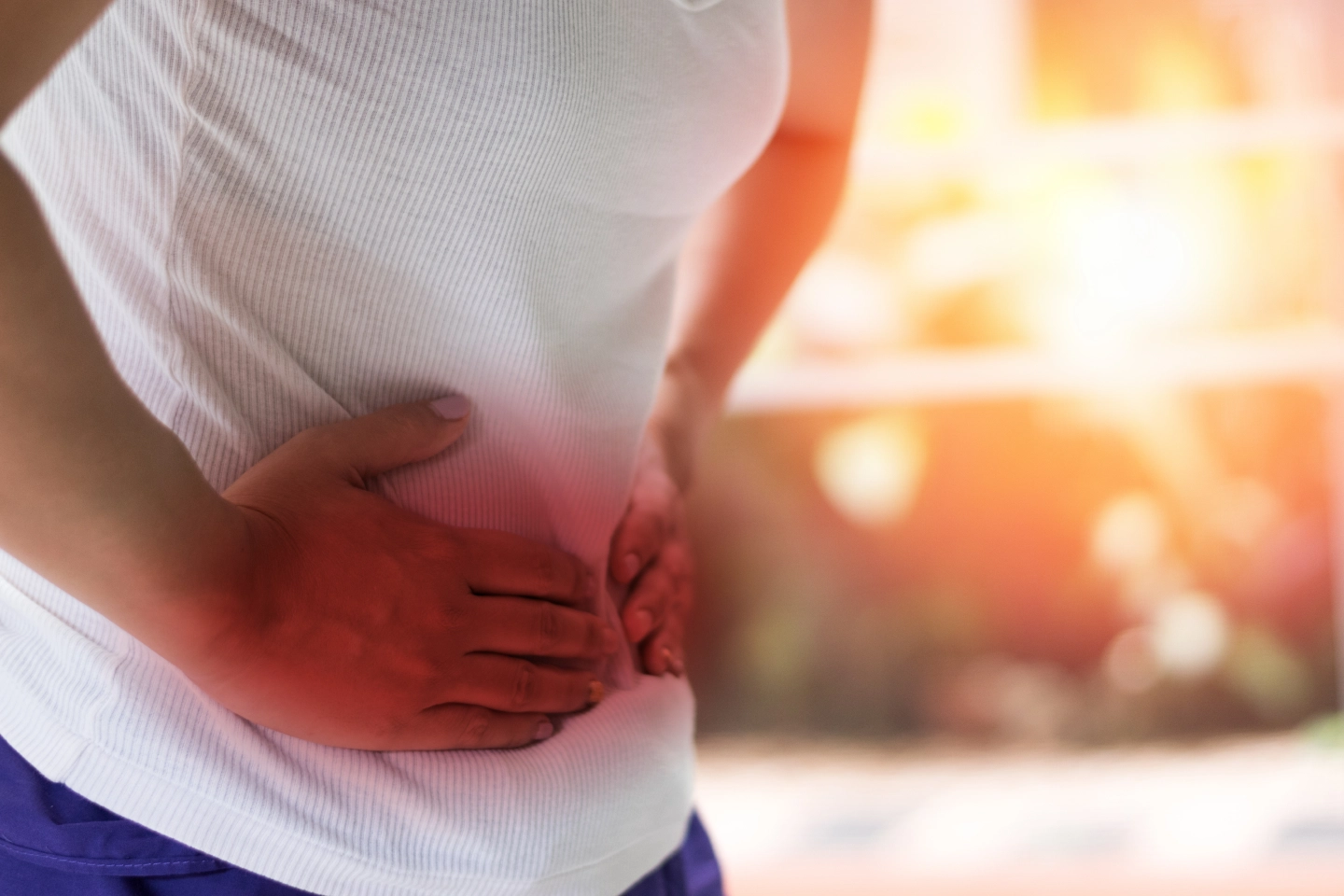
A sports hernia is a painful condition commonly seen in athletes, especially those involved in sports that require sudden changes in direction, intense twisting, or heavy lifting. While the term "hernia" is commonly associated with a visible bulge in the abdomen, a sports hernia is a bit different. It does not always result in a protrusion but is characterized by deep groin pain. Understanding the symptoms, causes, and treatment options for a sports hernia is essential for athletes and active individuals to manage their health effectively.
What Is a Sports Hernia?
A sports hernia occurs when there is a strain or tear in the muscles or tendons of the lower abdomen or groin area. Unlike traditional hernias, where an organ or tissue bulges through a weak spot in the abdominal wall, a sports hernia may not create any visible bulge. The injury typically affects athletes participating in sports such as soccer, hockey, football, and wrestling.
Symptoms of a Sports Hernia
Recognizing the symptoms of a sports hernia early on can lead to more effective treatment and recovery. Common symptoms include:
- Groin Pain: The most prominent symptom is pain in the groin area, which can be sharp or dull. The pain may worsen with physical activity, particularly during movements involving twisting or sprinting.
- Pain During Physical Activity: Activities like running, kicking, or sudden changes in direction can exacerbate the pain. Many athletes report that their symptoms improve with rest but return with activity.
- Localized Discomfort: Unlike other hernias, where swelling may be present, a sports hernia typically causes discomfort localized in the groin area, often without a visible bulge.
- Radiating Pain: The pain may radiate to the lower abdomen, hips, or inner thighs. Some individuals may experience stiffness or tenderness in these areas as well.
- Nausea: In some cases, individuals may experience nausea, particularly if the pain is severe.
Causes of Sports Hernia
A sports hernia can result from various factors, often related to the physical demands of athletic activities. Some common causes include:
- Repetitive Movements: Activities that involve repeated twisting or turning motions can put significant strain on the groin muscles and tendons, leading to injury.
- Sudden Changes in Direction: Sports that require quick changes in direction, such as soccer and basketball, increase the risk of developing a sports hernia.
- Weak Core Muscles: Weakness in the core muscles can contribute to an imbalance in the pelvic region, increasing the risk of injury.
- Previous Injuries: Individuals with a history of groin injuries or muscle strains may be more susceptible to developing a sports hernia.
- Improper Training Techniques: Lack of proper warm-up and stretching exercises, as well as poor training techniques, can lead to muscle strain and injury.
Diagnosing a Sports Hernia
If you suspect that you may have a sports hernia, it is crucial to seek medical attention for an accurate diagnosis. Diagnosis typically involves:
- Physical Examination: A healthcare provider will assess your symptoms and perform a physical examination to check for tenderness in the groin area and any range of motion limitations.
- Medical History: Providing a detailed medical history, including any previous injuries or surgeries, will help your healthcare provider determine the likelihood of a sports hernia.
- Imaging Tests: In some cases, imaging tests such as MRI or ultrasound may be conducted to visualize the muscles and tendons in the groin area and confirm the diagnosis.
Treatment Options for Sports Hernia
Treatment for a sports hernia aims to relieve pain, promote healing, and restore functionality. Options may include:
- Rest and Activity Modification: Reducing physical activity and giving the body time to heal is often the first step in managing a sports hernia. Avoiding activities that exacerbate symptoms is crucial.
- Physical Therapy: A physical therapist can create a tailored rehabilitation program to strengthen the core muscles and improve flexibility. Physical therapy can help alleviate pain and prevent future injuries.
- Pain Management: Over-the-counter pain medications, such as ibuprofen or acetaminophen, can help reduce pain and inflammation during recovery.
- Surgery: If conservative treatment does not alleviate symptoms or if the injury is severe, surgical intervention may be necessary. The surgical procedure typically involves repairing the torn muscles or tendons and reinforcing the abdominal wall. This is usually done through minimally invasive laparoscopic techniques.
- Rehabilitation: Following surgery, a structured rehabilitation program will be essential to ensure a successful recovery and safe return to sports. This may include gradual reintroduction of physical activity under the guidance of a healthcare professional.
Recovery and Prevention
Recovery from a sports hernia varies based on the severity of the injury and the chosen treatment approach. Generally, athletes can expect to return to their sport within a few weeks to a few months, depending on individual circumstances and adherence to rehabilitation protocols.
Preventive measures to reduce the risk of developing a sports hernia include:
- Strengthening Core Muscles: Engaging in exercises that strengthen the core and pelvic muscles can help maintain stability and reduce the risk of injury.
- Proper Warm-Up and Cool-Down: Always incorporate adequate warm-up and cool-down routines before and after physical activity to prepare the muscles and prevent strain.
- Gradual Increase in Activity: Avoid sudden increases in the intensity or duration of physical activity, and listen to your body to prevent overuse injuries.
- Technique Training: Working with a coach or trainer to improve technique can help minimize the risk of injury during sports.
Conclusion
A sports hernia can significantly impact an athlete's performance and quality of life. Understanding the symptoms, causes, and treatment options is vital for managing this common injury effectively. If you suspect you have a sports hernia, seeking professional medical advice is essential to ensure proper diagnosis and treatment.
If you're experiencing symptoms of a sports hernia or have concerns about your groin pain, Dr. Niranjan P is here to provide expert care and support. With a focus on personalized treatment plans and advanced surgical options, Dr. P is committed to helping you get back to your active lifestyle. Don’t let pain hold you back schedule a consultation today and take the first step towards recovery!

Dr. Niranjan P is a leading General and Laparoscopic Surgeon in Bengaluru, offering advanced minimally invasive treatments focused on precision, safety and faster patient recovery.


© Remedo 2026 | Dr. Niranjan P | All Rights Reserved | Digital Marketing by Remedo