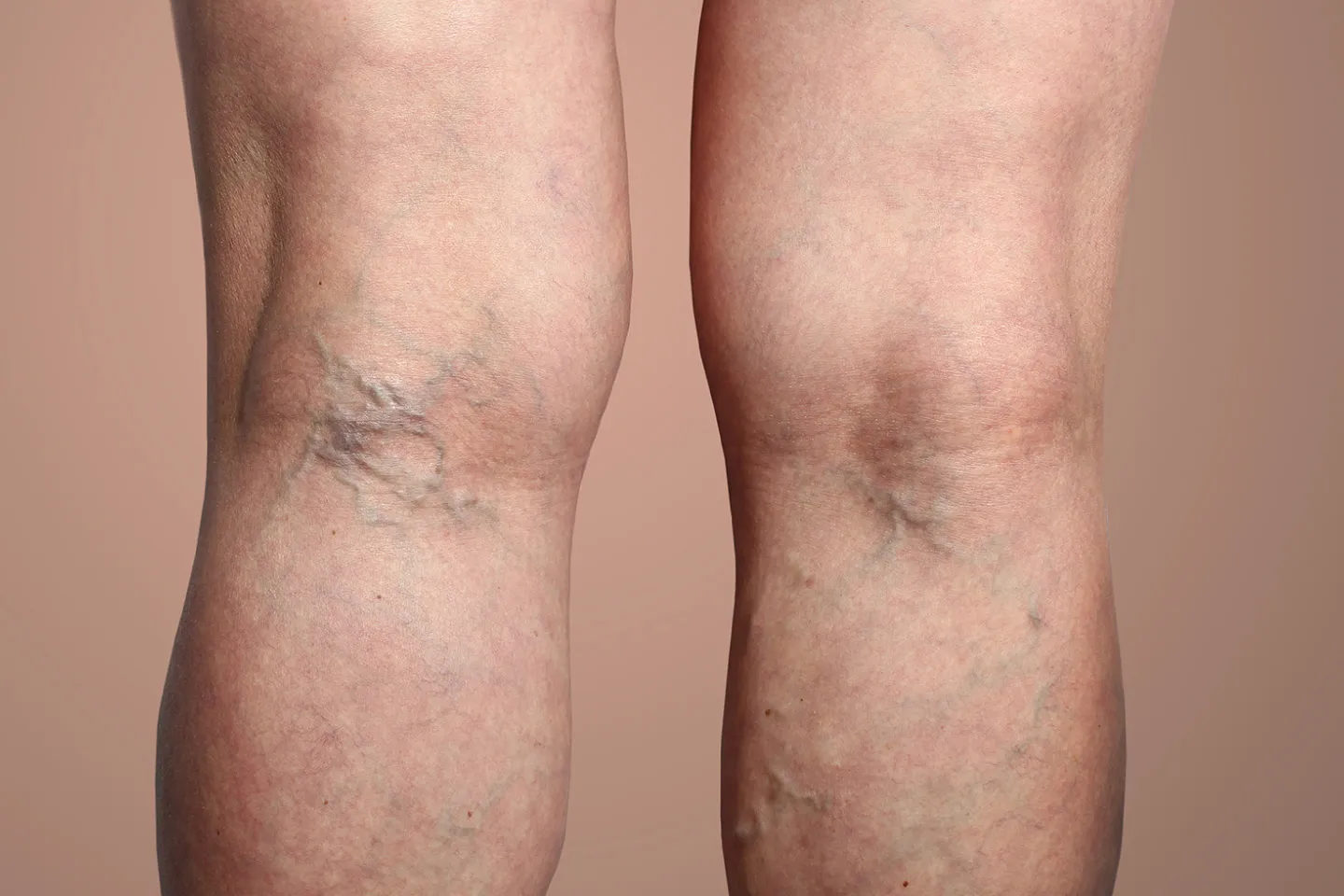
Noticed visible veins on your legs or face that weren’t there before? Whether you’re dealing with tiny red lines or bulging blue veins, these changes may signal two common vascular conditions: spider veins and varicose veins.
While both involve vein dysfunction, they differ in appearance, causes, symptoms, and treatment approaches. Understanding the difference can help you make informed decisions about prevention, management, and when to seek medical advice.
What Are Spider Veins?
Spider veins (medically known as telangiectasias) are small, thin veins that appear just beneath the surface of the skin. They often look like fine red, blue, or purple lines, resembling a spider web or branches of a tree.
Common Locations
- Face (cheeks, nose)
- Legs (thighs, calves, ankles)
Symptoms
- Typically painless
- May cause mild burning or itching in some people
- Primarily a cosmetic concern
What Are Varicose Veins?
Varicose veins are larger, swollen, twisted veins that are raised above the skin’s surface. They often appear blue or dark purple and have a rope-like, bulging appearance.
Common Locations
- Back of the legs
- Inner thighs
- Calves
Symptoms
- Aching, heaviness, or throbbing in the legs
- Swelling of feet or ankles
- Cramping, especially at night
- Itching around the veins
Skin discoloration in advanced cases
Varicose veins are more than a cosmetic issue they can indicate chronic venous insufficiency, where blood doesn’t flow efficiently back to the heart.
What Causes These Veins to Appear?
Both spider and varicose veins result from weakened or damaged valves inside the veins. These valves normally help blood flow in one direction toward the heart. When they become weak, blood can pool in the veins, causing them to enlarge and become visible.
Risk Factors Include:
- Genetics: Family history increases risk
- Hormonal changes: Pregnancy, puberty, menopause
- Age: Veins lose elasticity over time
- Prolonged standing or sitting
- Obesity: Extra pressure on leg veins
- Sun exposure: Contributes to spider veins on the face
Key Differences at a Glance
Although both conditions involve visible veins, spider veins are generally smaller, painless, and closer to the skin’s surface. They rarely cause discomfort and are mostly treated for cosmetic reasons. In contrast, varicose veins are larger, bulging, and often come with symptoms like pain, heaviness, and swelling. While spider veins are harmless, varicose veins can be a sign of underlying vein disease and may lead to complications like ulcers or blood clots if untreated.
Should You Be Concerned?
While spider veins are usually not a health concern, varicose veins can progress and lead to more serious conditions, such as:
- Chronic venous insufficiency
- Skin changes (thickening, discoloration)
- Venous ulcers
- Superficial thrombophlebitis (clot in a surface vein)
- If your veins are painful, swollen, or causing discomfort, consult a specialist. Early treatment can prevent complications and improve quality of life.
Diagnosis: What to Expect
- Physically examine the veins
- Ask about symptoms and family history
- Use Doppler ultrasound to check blood flow and look for valve dysfunction
- Diagnosis is usually straightforward and painless.
Treatment Options
For Spider Veins
- Sclerotherapy: A solution is injected into the veins to collapse them
- Laser therapy: Targets and shrinks veins using focused light
- Topical treatments: For mild cases (less common)
For Varicose Veins
- Compression stockings: Improve blood flow and reduce swelling
- Lifestyle changes: Weight loss, leg elevation, exercise
Minimally invasive procedures
- Endovenous laser treatment (EVLT)
- Radiofrequency ablation
- Foam sclerotherapy
- Ambulatory phlebectomy
Treatment choice depends on the severity and symptoms. Most modern treatments are outpatient, with minimal downtime.
Prevention Tips
While not all vein issues can be prevented, the following steps can reduce your risk or slow progression:
- Avoid sitting or standing for long periods; move frequently
- Exercise regularly; walking is great for circulation
- Maintain a healthy weight
- Elevate legs when resting
- Wear compression stockings if advised
- Protect skin from sun damage, especially on the face
FAQs
Q1: Can spider veins turn into varicose veins?
No. Spider veins and varicose veins are different types of vein issues. However, both may occur due to similar underlying causes.
Q2: Are these conditions more common in women?
Yes. Hormonal changes make women more prone to both spider and varicose veins, especially during pregnancy or menopause.
Q3: Do home remedies work?
Home remedies like leg elevation, exercise, and compression stockings can relieve symptoms but don’t eliminate the veins. Professional treatments are often needed for visible results.
Conclusion
Visible veins may start as a minor cosmetic concern, but they can signal deeper circulatory issues especially when accompanied by discomfort. Knowing the difference between spider veins and varicose veins empowers you to take the right action early.
If you’re unsure about the type or cause of your visible veins, a quick consultation with specialist Dr. Niranjan P can provide clarity and options for relief.
Dr. Niranjan P is a leading General and Laparoscopic Surgeon in Bengaluru, offering advanced minimally invasive treatments focused on precision, safety and faster patient recovery.


© Remedo 2026 | Dr. Niranjan P | All Rights Reserved | Digital Marketing by Remedo