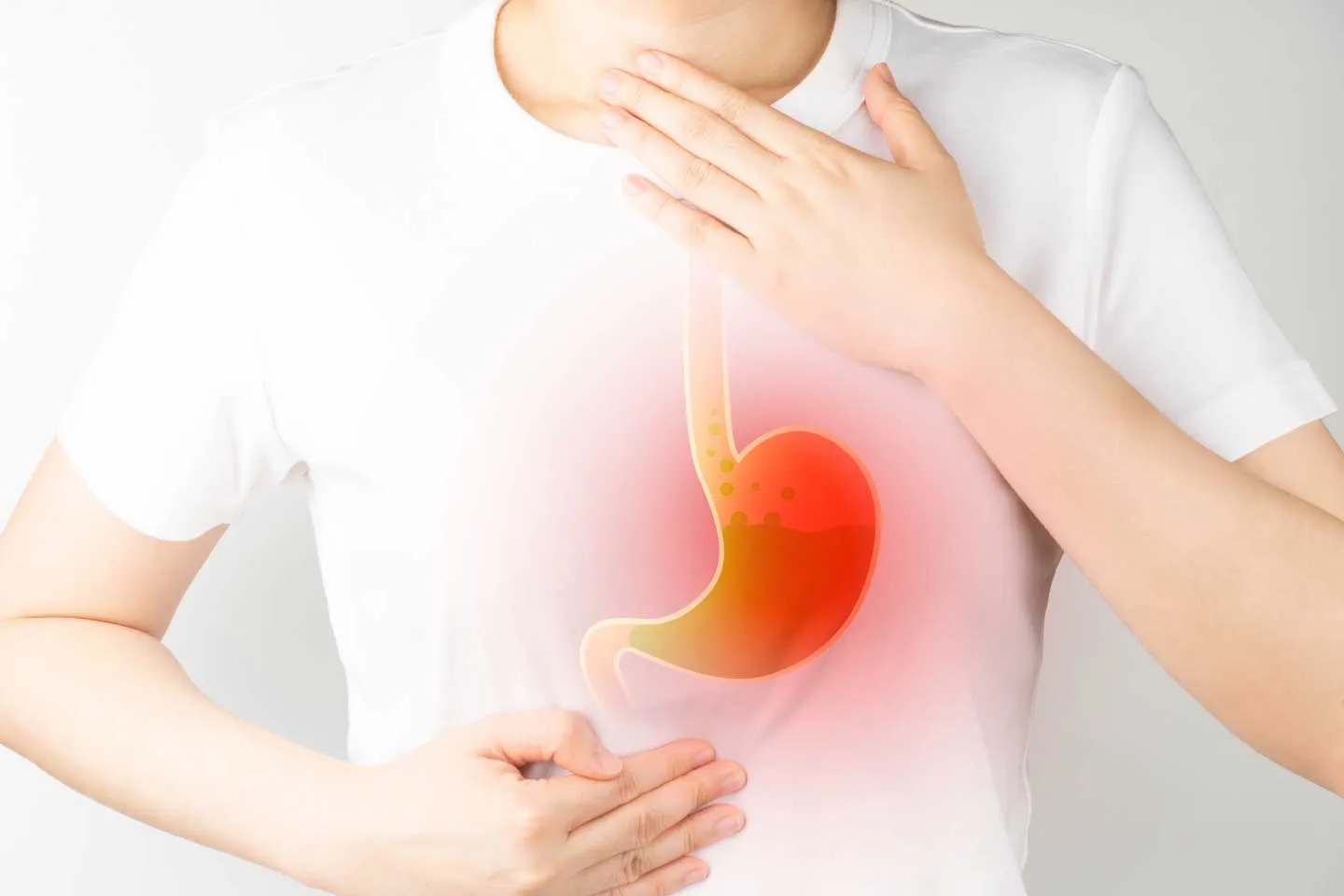
Esophageal cancer is a serious and often aggressive form of cancer that develops in the esophagus the long, hollow tube that carries food from your throat to your stomach. Although it’s not one of the most common cancers, esophageal cancer is on the rise globally, and early detection can significantly improve survival outcomes.
Understanding the risk factors for esophageal cancer can help you take proactive steps to protect your health. Some risk factors are within your control, while others are not but being informed is your first line of defense.
What Is Esophageal Cancer?
There are two main types of esophageal cancer
- Adenocarcinoma – Starts in the mucus-producing glands of the esophagus, usually in the lower part. More common in Western countries.
- Squamous cell carcinoma – Begins in the flat cells lining the esophagus, often in the upper or middle parts. More common in developing regions.
Both types are influenced by distinct yet overlapping risk factors.
Major Risk Factors for Esophageal Cancer
Tobacco Use
- Smoking or using smokeless tobacco dramatically increases your risk. Tobacco contains carcinogens that damage the lining of the esophagus, leading to mutations over time.
- Smokers are up to 5 times more likely to develop squamous cell carcinoma.
- Risk increases with duration and intensity of tobacco use.
Heavy Alcohol Consumption
- Chronic, heavy alcohol use, especially when combined with smoking, amplifies the risk of esophageal cancer. It irritates the esophageal lining and promotes cell changes that may turn cancerous.
- Squamous cell carcinoma is strongly linked to alcohol abuse.
Gastroesophageal Reflux Disease (GERD)
- People with GERD experience regular acid reflux, which can damage the esophageal lining.
- Prolonged GERD can lead to Barrett’s esophagus, a condition where normal esophageal cells are replaced with abnormal cells, greatly increasing the risk of adenocarcinoma.
Obesity
- Obesity is a significant risk factor for adenocarcinoma, likely due to increased abdominal pressure, which worsens acid reflux and Barrett’s esophagus.
- Obese individuals have double or triple the risk compared to those with healthy body weight.
Poor Diet
- A diet low in fruits, vegetables, and essential nutrients and high in processed, fried, or smoked foods may contribute to esophageal cancer risk.
- Deficiencies in vitamins A, C, E, and minerals like selenium may play a role.
Age and Gender
- Esophageal cancer is more common in people over age 60.
- Men are 3 to 4 times more likely than women to develop it.
Barrett’s Esophagus
- A condition caused by chronic acid reflux, Barrett’s esophagus is considered a precancerous condition and requires regular monitoring.
- Not all people with Barrett’s develop cancer, but it significantly raises the risk.
Environmental and Occupational Exposures
- Exposure to certain chemicals and pollutants like those found in metalworking, dry cleaning, and chemical plants can raise cancer risk.
- Drinking very hot beverages regularly (above 65°C or 149°F) has also been linked to increased squamous cell carcinoma in some regions.
Family History and Genetics
- Having a first-degree relative with esophageal cancer or genetic disorders like tylosis can increase your risk.
- Tylosis is a rare genetic condition that causes thickened skin on the palms and soles and is strongly linked to esophageal cancer.
Less Common but Notable Risk Factors
- Achalasia: A condition where the esophagus has trouble moving food into the stomach, leading to prolonged irritation.
- Infections: Human papillomavirus (HPV) has been suggested as a contributing factor in some cases.
- Previous radiation to the chest or upper abdomen for other cancers.
FAQs
Q1: Can esophageal cancer be prevented?
While not all cases can be prevented, lifestyle changes such as quitting smoking, limiting alcohol, managing reflux, and eating a healthy diet can significantly lower your risk.
Q2: What are early signs of esophageal cancer?
Common early symptoms include difficulty swallowing (dysphagia), unintentional weight loss, chest pain, or persistent heartburn.
Q3: Is Barrett’s esophagus cancer?
No, but it’s considered precancerous and requires monitoring because it increases the risk of adenocarcinoma.
Q4: Are there screening tests for esophageal cancer?
Routine screening is not common unless you have high-risk conditions like Barrett’s esophagus. An upper endoscopy may be recommended for at-risk individuals.
Conclusion
Esophageal cancer often develops silently, with symptoms appearing in later stages. That’s why understanding and managing your personal risk factors is crucial. Whether it’s quitting smoking, reducing alcohol, maintaining a healthy weight, or treating acid reflux, small changes can make a big difference in prevention.
Regular checkups, especially if you have Barrett’s esophagus or GERD, can help with early detection and improve treatment outcomes.
Concerned about your risk for esophageal cancer?
Dr.Niranjan P today for screening options and personalized prevention strategies.

Dr. Niranjan P is a leading General and Laparoscopic Surgeon in Bengaluru, offering advanced minimally invasive treatments focused on precision, safety and faster patient recovery.


© Remedo 2026 | Dr. Niranjan P | All Rights Reserved | Digital Marketing by Remedo