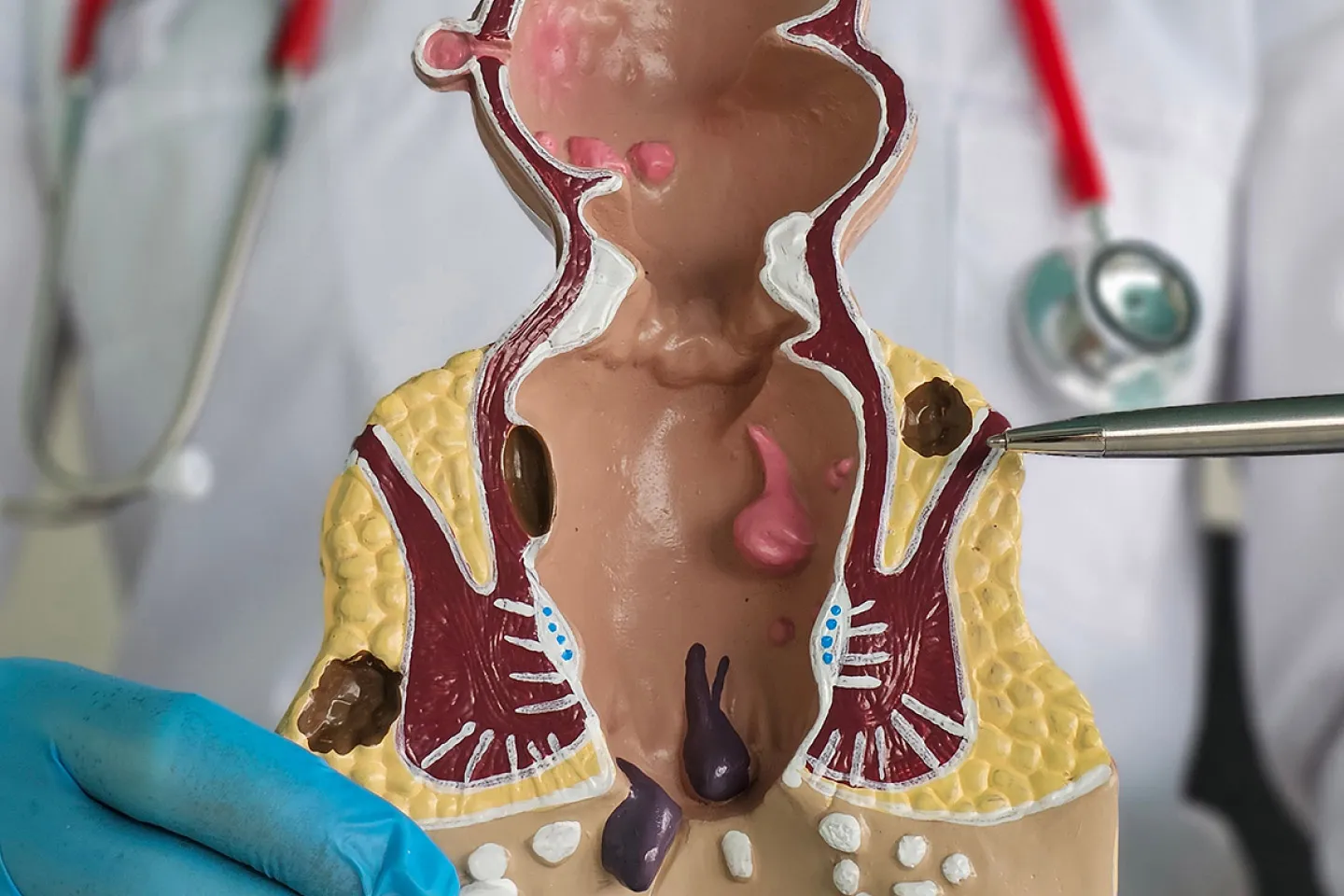
Rectal prolapse occurs when part or all of the rectum slips outside the anus, causing physical discomfort and potential complications. While mild cases can be managed with conservative treatments, severe or chronic cases often require surgery to restore function and relieve symptoms. In this blog, we explore when surgery is necessary for rectal prolapse and the surgical options available.
What Is Rectal Prolapse?
Rectal prolapse is a condition where the rectum, the last portion of the large intestine, falls through the anus. This condition can be partial, with only a portion of the rectum prolapsing, or full, where the entire rectum extends outside the body. Symptoms include visible bulging at the anus, fecal incontinence, rectal bleeding, discomfort, and a sensation of incomplete bowel evacuation.
Symptoms of Rectal Prolapse
The key symptoms of rectal prolapse include:
- Visible bulge at the anus: The rectum protrudes from the anus, especially during bowel movements or physical exertion.
- Incontinence or difficulty controlling bowel movements: Weakened muscles lead to difficulty in controlling bowel function.
- Incomplete bowel evacuation: The sensation of not fully emptying the bowels after a movement.
- Rectal bleeding: Prolapsed tissue can become irritated and bleed during bowel movements.
- Pain or discomfort: Pain often occurs during prolonged sitting, walking, or defecation.
Causes of Rectal Prolapse
Rectal prolapse is more common in older adults, but several factors contribute to its development:
- Age: Weakened pelvic muscles and connective tissues are more prevalent in older adults.
- Chronic constipation or diarrhea: Straining during bowel movements puts pressure on the rectum.
- Pelvic floor dysfunction: Childbirth, surgery, or trauma can weaken the pelvic muscles.
- Neurological disorders: Conditions affecting the nerves that control the pelvic floor muscles increase the risk of prolapse.
- Chronic coughing: Conditions like COPD can lead to increased abdominal pressure, which strains the rectum.
When Surgery is Necessary for Rectal Prolapse
- Persistent Symptoms: Surgery is needed if conservative treatments (dietary changes, stool softeners, pelvic exercises) fail to alleviate chronic symptoms like incontinence, pain, and frequent straining.
- Full Rectal Prolapse: Surgery is almost unavoidable when the entire rectum protrudes outside the body, as it increases the risk of complications such as infection or chronic incontinence.
- Risk of Complications: If untreated, rectal prolapse can lead to bowel obstruction, strangulation (blood supply cutoff), or rectal bleeding. Surgery is essential to prevent life-threatening conditions.
- Improved Quality of Life: Surgery can eliminate pain, restore bowel control, and help patients resume normal activities without the fear of embarrassing symptoms.
Surgical Treatment Options
There are several surgical approaches for rectal prolapse, which vary based on the severity of the condition and the patient’s overall health.
Abdominal Surgery (Rectopexy)
This is the most common procedure, where the rectum is reattached to the surrounding tissues in the abdominal cavity. It can often be done laparoscopically, which involves smaller incisions and quicker recovery times. This surgery restores the rectum to its normal position and prevents further prolapse.
Perineal Surgery (Perineal Rectosigmoidectomy)
This approach involves removing the prolapsed section of the rectum through the perineum (the area between the anus and the genitals). It is typically used for elderly patients or those unable to tolerate abdominal surgery.
Transanal Rectal Prolapse Repair
A minimally invasive surgery where the rectum is repaired from inside the anus. This approach can be an option for patients with less severe prolapse.
Recovery After Surgery
Recovery depends on the type of surgery performed. Abdominal surgery may require several days in the hospital, with a recovery period of about 6-8 weeks. Perineal surgery often allows for a quicker recovery, but patients still need to avoid straining, heavy lifting, or prolonged sitting during the healing period. Post-surgical follow-up is essential to monitor progress and prevent complications.
Conclusion
Rectal prolapse can significantly affect your quality of life, and while conservative treatments may provide relief in mild cases, surgery is often necessary for more severe or chronic prolapse. Surgical options like rectopexy, perineal rectosigmoidectomy, or transanal repair offer effective solutions, improving symptoms and preventing complications. If you experience symptoms of rectal prolapse, consult with your doctor to determine the most appropriate course of treatment.
If you're struggling with symptoms of rectal prolapse, don't wait for the condition to worsen. Consult with best General, Laparoscopic and Bariatric Surgeon Dr.Niranjan P in Bengaluru to discuss whether surgery might be the best solution for you. Early intervention can provide long-term relief and improve your quality of life.

Dr. Niranjan P is a leading General and Laparoscopic Surgeon in Bengaluru, offering advanced minimally invasive treatments focused on precision, safety and faster patient recovery.


© Remedo 2026 | Dr. Niranjan P | All Rights Reserved | Digital Marketing by Remedo