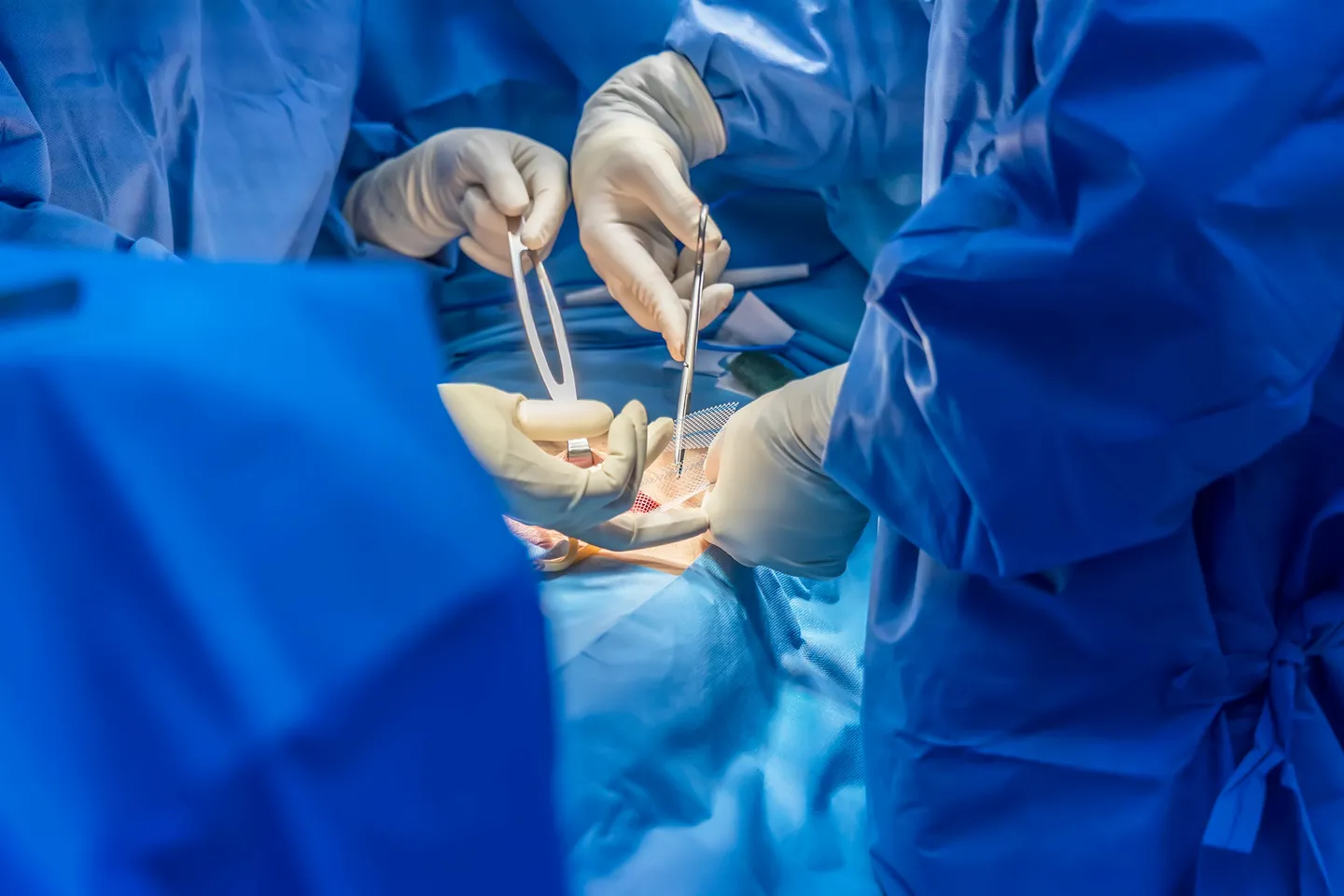
Hernia surgery is a common procedure performed to repair a hernia - when an internal organ or tissue protrudes through a weak spot in the abdominal wall. While the surgery itself is typically straightforward, understanding the recovery process is essential for a successful outcome. This blog aims to guide you through what to expect after hernia surgery, including recovery timelines, potential complications, and tips for a smooth healing journey.
Understanding the Types of Hernia Surgery
Before diving into recovery, it’s important to note that there are two primary types of hernia surgeries:
- Open Surgery: This traditional approach involves a larger incision in the abdominal wall to repair the hernia. Recovery may take longer due to the size of the incision.
- Laparoscopic Surgery: This minimally invasive technique uses smaller incisions and specialized instruments. Patients often experience less pain and a quicker recovery time.
Immediate Post-Surgery Expectations
After your hernia surgery, you will be monitored in a recovery area for several hours. Here’s what you can expect:
- Anesthesia Effects: Depending on the anesthesia used, you may feel groggy or disoriented. It’s essential to have someone to drive you home.
- Pain Management: Pain is common after surgery. Your doctor will prescribe pain medications to help manage discomfort. It’s crucial to take these medications as directed.
- Initial Recovery: You may be encouraged to take short walks as soon as you feel able, as movement can help prevent complications such as blood clots.
Timeline of Recovery
Recovery times can vary based on individual health, the type of surgery performed, and the extent of the hernia. Here’s a general timeline of what to expect:
- First Few Days: Expect soreness and discomfort around the incision site. Rest is crucial during this period, and you should avoid strenuous activities, including lifting heavy objects, for at least a week.
- 1 to 2 Weeks: Many patients are able to resume light activities, including walking, within a few days. However, it's essential to listen to your body and not push yourself too hard. You may have follow-up appointments with your doctor to monitor your healing.
- 2 to 6 Weeks: Depending on the type of hernia repair and individual recovery, most patients can gradually return to their regular routines. Strenuous activities, such as heavy lifting or vigorous exercise, should still be avoided until cleared by your doctor.
- 6 Weeks and Beyond: By this time, most individuals feel significantly better and can typically resume all normal activities, including exercise. However, each patient's recovery journey is unique, and some may require additional time.
Managing Pain and Discomfort
After hernia surgery, managing pain and discomfort is a critical part of the recovery process. Here are some strategies:
- Medications: Follow your doctor’s instructions for taking pain medication. Over-the-counter pain relievers may also be recommended after a few days.
- Ice Packs: Applying ice packs to the incision site for short periods can help reduce swelling and numb the area, alleviating some discomfort.
- Rest: Adequate rest is crucial. Ensure you have a comfortable place to recover and don’t hesitate to ask for help with daily activities.
Recognizing Signs of Complications
While most hernia surgeries go smoothly, it’s essential to be aware of potential complications. Contact your healthcare provider if you experience any of the following:
- Severe Pain: If your pain worsens instead of improving, it may indicate a problem.
- Fever: A temperature above 101°F (38.3°C) could signal an infection.
- Redness or Swelling: Increased redness, swelling, or discharge from the incision site may indicate an infection.
- Nausea or Vomiting: Persistent nausea or vomiting can be a sign of complications.
- Changes in Bowel Habits: Constipation or an inability to pass gas after surgery may require medical attention.
Lifestyle Changes for a Smooth Recovery
Incorporating certain lifestyle changes during your recovery can promote healing and prevent future hernias:
- Healthy Diet: Eating a balanced diet rich in fruits, vegetables, lean proteins, and whole grains can support your recovery. Stay hydrated to aid digestion and prevent constipation, especially if you're taking pain medications.
- Gradual Increase in Activity: While it’s essential to rest, gentle walking can enhance circulation and promote healing. Gradually increase your activity level based on your comfort and doctor’s advice.
- Avoiding Strain: Pay attention to your body and avoid activities that require heavy lifting, straining, or vigorous exercise until cleared by your doctor.
- Maintaining a Healthy Weight: If you're overweight, consider adopting a weight management plan to reduce pressure on your abdominal wall, decreasing the likelihood of future hernias.
Follow-Up Care
Follow-up appointments with your surgeon are essential for monitoring your recovery. During these visits, your doctor will assess your healing progress, address any concerns, and provide further guidance on resuming normal activities.
Conclusion
Recovering from hernia surgery is a journey that requires patience and care. By understanding what to expect during the recovery process and taking proactive steps, you can ensure a smoother healing experience. Always listen to your body, follow your doctor's advice, and reach out for help when needed.
If you’re preparing for hernia surgery or navigating your recovery journey, Dr. Niranjan P is here to support you every step of the way. With his expertise and compassionate approach, you can feel confident in your recovery. Schedule a consultation today to discuss your concerns and receive personalized care tailored to your needs. Don’t hesitate - your path to healing starts now!

Dr. Niranjan P is a leading General and Laparoscopic Surgeon in Bengaluru, offering advanced minimally invasive treatments focused on precision, safety and faster patient recovery.


© Remedo 2026 | Dr. Niranjan P | All Rights Reserved | Digital Marketing by Remedo