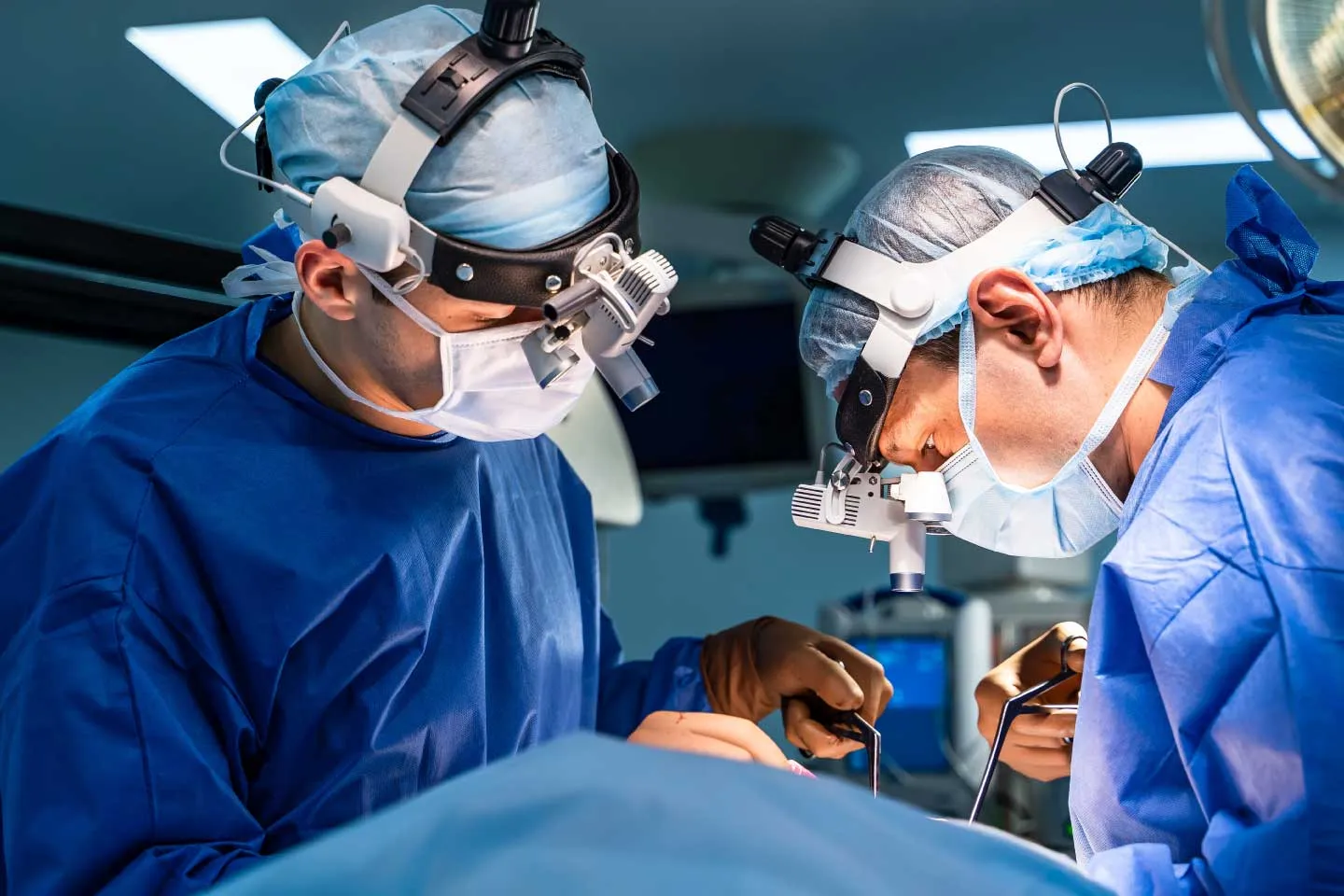
The pancreas, a vital organ, plays a significant role in digestion and blood sugar regulation. However, due to its location and delicate structure, it is susceptible to injuries that can have serious consequences. In this blog, we'll explore the intricacies of pancreatic injuries, their causes, types, symptoms, diagnosis, and potential treatments.
Anatomy and Importance of the Pancreas: The pancreas is a dual-function organ that has both endocrine and exocrine functions. Its endocrine role involves producing hormones like insulin and glucagon, which regulate blood sugar levels. On the other hand, its exocrine function involves producing digestive enzymes that aid in breaking down food in the intestines.
Causes of Pancreatic Injuries: Pancreatic injuries can arise from a variety of causes, including
- Trauma: Blunt trauma, such as a car accident or fall, can lead to pancreatic injuries. The organ's location behind the stomach makes it vulnerable to impact.
- Penetrating Injuries: Stab or gunshot wounds can directly damage the pancreas, often leading to severe complications.
- Medical Procedures: Certain medical procedures, like surgeries involving the abdomen or endoscopic interventions, can inadvertently cause damage to the pancreas.
- Inflammatory Conditions: Conditions like pancreatitis, which involves inflammation of the pancreas, can lead to tissue damage and increased vulnerability to injury.
Types of Pancreatic Injuries: Pancreatic injuries can range from mild to severe and fall into several categories
- Contusion: Mild injuries might result in a bruise or contusion on the pancreas, causing localized pain and swelling.
- Laceration: More severe injuries can lead to lacerations or tears in the pancreatic tissue, potentially causing bleeding and damage to surrounding structures.
- Fracture: The pancreas is a fragile organ, and severe impact can lead to fractures or disruptions in its structure.
- Ductal Injuries: Damage to the pancreatic ducts can hinder the flow of digestive enzymes, leading to complications in digestion.
Symptoms and Diagnosis: Symptoms of pancreatic injuries can vary based on the severity of the injury but may include
- Severe abdominal pain
- Nausea and vomiting
- Abdominal tenderness and swelling
- Elevated heart rate
- Low blood pressure
Diagnosing pancreatic injuries often involves a combination of
- Medical History and Physical Examination: The doctor will inquire about the circumstances leading to the injury and conduct a thorough physical examination.
- Imaging Tests: X-rays, ultrasound, CT scans, or MRI scans can provide detailed images of the pancreas and surrounding structures, helping identify injuries.
- Blood Tests: Elevated levels of certain enzymes in the blood can indicate pancreatic damage.
Treatment Options
The treatment approach depends on the severity of the injury:
- Observation: Minor injuries might only require close monitoring, pain management, and a restricted diet to allow the pancreas to heal.
- Surgery: Severe injuries often necessitate surgical intervention to repair damaged tissue, control bleeding, or remove parts of the pancreas if necessary.
- Endoscopic Procedures: In some cases, minimally invasive endoscopic procedures can be used to address certain pancreatic injuries.
- Pancreatic Enzyme Replacement: In cases where pancreatic function is compromised, enzyme supplements might be prescribed to aid digestion.
In conclusion, understanding the delicate nature of the pancreas and its vulnerability to injuries is crucial. Whether due to trauma, medical procedures, or underlying conditions, pancreatic injuries can have significant ramifications.
Recognizing the symptoms, seeking prompt medical attention from Dr. Niranjan P, and adhering to recommended treatment options can contribute to better outcomes and a smoother recovery process.
As medical knowledge and technology continue to advance, the medical community remains dedicated to enhancing our understanding of pancreatic injuries and improving the available treatments to ensure the best possible care for patients.

Dr. Niranjan P is a leading General and Laparoscopic Surgeon in Bengaluru, offering advanced minimally invasive treatments focused on precision, safety and faster patient recovery.


© Remedo 2026 | Dr. Niranjan P | All Rights Reserved | Digital Marketing by Remedo