Obesity is a growing concern worldwide, and with it comes an increased interest in effective weight loss solutions. Among the various surgical options available, the mini gastric bypass (MGB) has gained popularity for its effectiveness and minimally invasive nature. We consulted Dr. Niranjan P, a distinguished General & Laparoscopic Surgeon and Bariatric Surgeon based in Bengaluru, Karnataka, to delve deeper into this procedure. With his extensive experience in bariatric surgery, Dr. Niranjan P provides valuable insights into the mini gastric bypass, its benefits, and what patients can expect.
What is a Mini Gastric Bypass
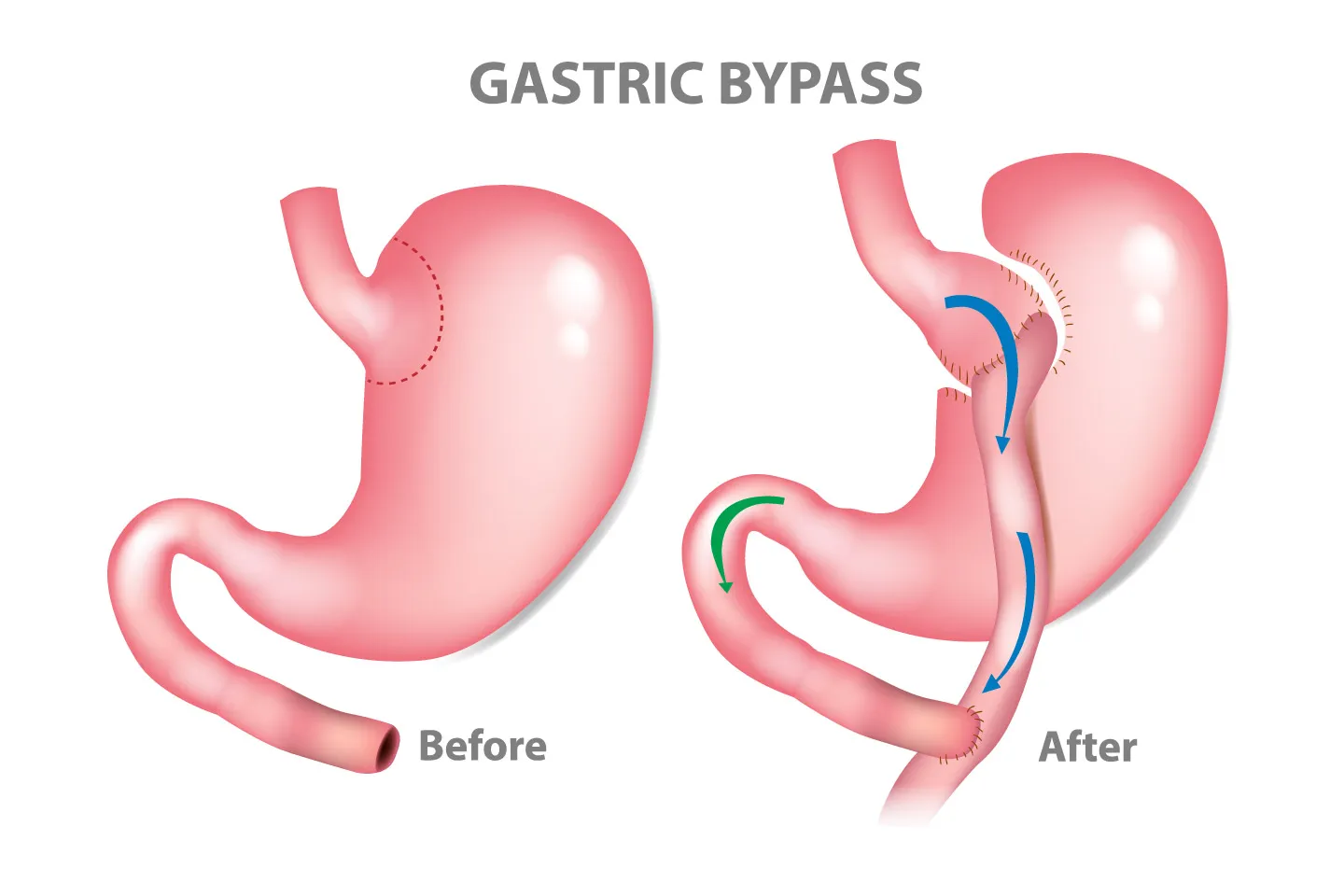
The mini gastric bypass is a type of weight loss surgery designed to reduce the size of the stomach and reroute the intestines. This procedure involves creating a small stomach pouch and attaching it directly to a lower part of the small intestine. The result is a significant reduction in the amount of food the stomach can hold and a decrease in calorie absorption, promoting substantial weight loss.
Benefits of Mini Gastric Bypass
Dr. Niranjan P highlights several benefits of the mini gastric bypass:
- Effective Weight Loss: Patients typically experience significant and sustained weight loss, making it an effective solution for obesity.
- Improvement in Comorbidities: The procedure often improves or resolves obesity-related conditions such as type 2 diabetes, hypertension, and sleep apnea.
- Shorter Surgery and Recovery Time: Compared to other bariatric surgeries, MGB is usually quicker and involves a shorter hospital stay.
- Minimally Invasive: As a laparoscopic procedure, MGB involves smaller incisions, resulting in less pain and faster recovery.
- Reduced Risk of Complications: MGB has a lower risk of complications than other bariatric procedures, such as the traditional Roux-en-Y gastric bypass.
Who is a Candidate for Mini Gastric Bypass
According to Dr. Niranjan P, candidates for mini gastric bypass typically include:
- Individuals with a Body Mass Index (BMI) of 40 or higher.
- Those with a BMI of 35 or higher with obesity-related comorbidities (e.g., diabetes, hypertension).
- Patients without significant weight loss through diet, exercise, or medication.
The Procedure
Dr. Niranjan P explains that the mini gastric bypass procedure involves the following steps:
- Anesthesia: The patient is placed under general anesthesia.
- Creating the Pouch: A small stomach pouch is created by dividing the stomach using laparoscopic instruments.
- Rerouting the Intestine: The small intestine is divided, and a loop of the intestine is attached to the new stomach pouch, bypassing a significant portion of the stomach and the initial part of the small intestine.
- Closing the Incisions: The incisions are closed, and the patient is moved to recovery.
Recovery and Post-Operative Care
Post-operative care is crucial for the success of the mini gastric bypass. Dr. Niranjan P outlines the critical aspects of recovery and aftercare:
- Hospital Stay: Patients typically stay in the hospital for 1-2 days post-surgery.
- Dietary Guidelines: A specific nutritional plan is provided, starting with liquids and gradually progressing to solid foods over several weeks.
- Follow-Up Visits: Regular follow-up appointments are essential to monitor progress, nutritional status, and overall health.
- Lifestyle Changes: Long-term success requires a commitment to healthy eating, regular physical activity, and adherence to medical advice.
Potential Risks and Considerations
While mini gastric bypass is generally safe, Dr. Niranjan P notes some potential risks and complications:
- Nutritional deficiencies (e.g., vitamin B12, iron, calcium) due to reduced absorption.
- Dumping syndrome is characterized by nausea, vomiting, and diarrhea, especially after consuming high-sugar foods.
- Surgical complications, although rare, can include bleeding, infection, or leaks at the surgical sites.
Conclusion
The mini gastric bypass is a highly effective weight loss surgery that offers numerous benefits for individuals struggling with obesity. Dr. Niranjan P emphasizes the importance of understanding the procedure, potential risks, and the need for a lifelong commitment to healthy habits for optimal results. With the guidance of a skilled bariatric surgeon like Dr. Niranjan P, patients can embark on a transformative journey toward improved health and well-being.
Dr. Niranjan P is available at his clinic in Bengaluru, Karnataka, for more information and personalized consultations. Explore the options and support available through expert bariatric care to take the first step toward a healthier future.

Dr. Niranjan P is a leading General and Laparoscopic Surgeon in Bengaluru, offering advanced minimally invasive treatments focused on precision, safety and faster patient recovery.


© Remedo 2026 | Dr. Niranjan P | All Rights Reserved | Digital Marketing by Remedo