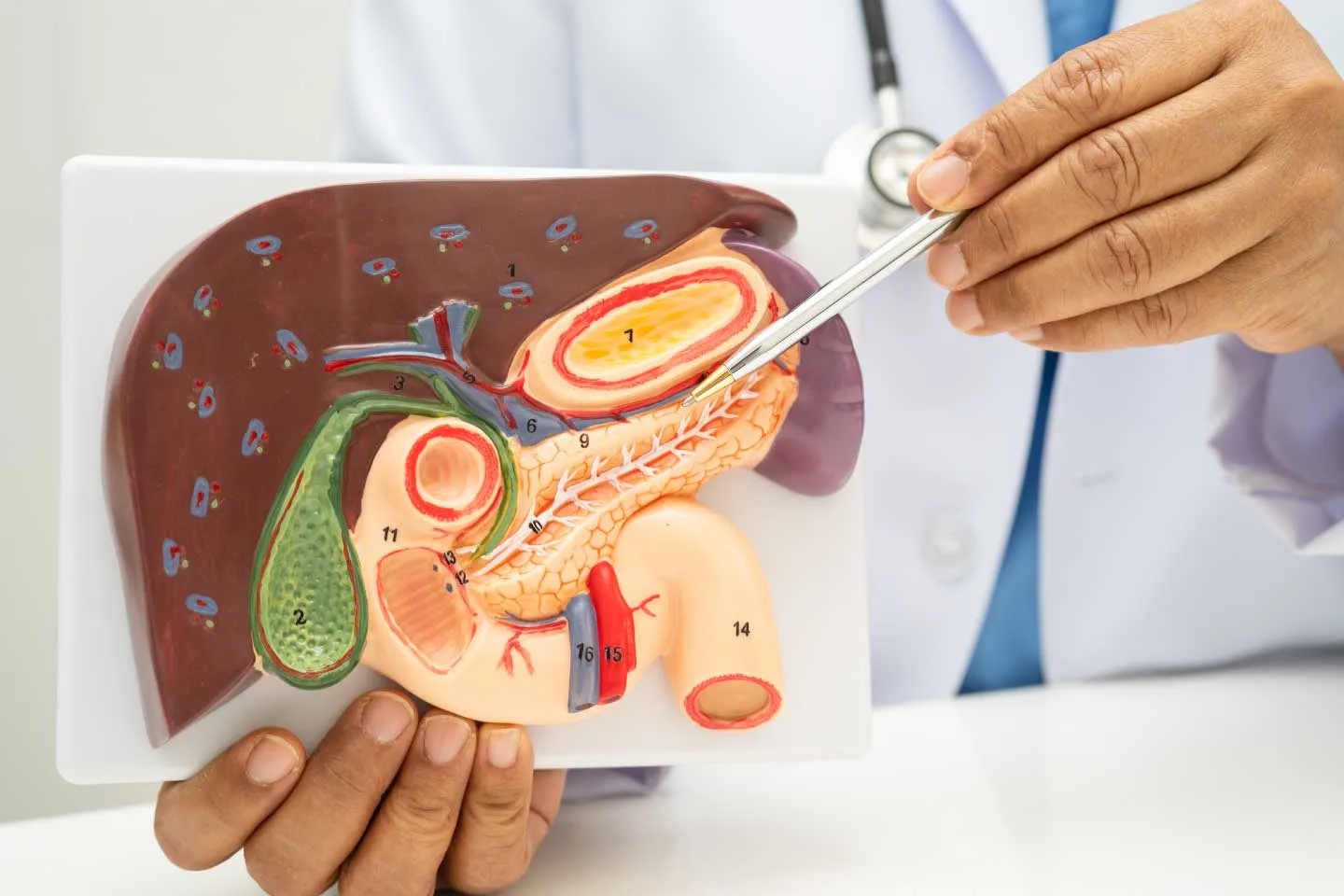
Pancreatitis is the inflammation of the pancreas, a vital organ responsible for producing digestive enzymes and regulating blood sugar. While mild cases can often be managed with medication and lifestyle changes, severe or chronic pancreatitis may require surgical intervention. In this blog, we will explore the types of pancreatitis, the role of surgery, and when it becomes necessary.
What Is Pancreatitis?
The pancreas is located behind the stomach and plays a key role in digestion and blood sugar regulation. Pancreatitis occurs when the pancreas becomes inflamed, typically caused by bile duct blockages or the activation of digestive enzymes within the pancreas. There are two main types of pancreatitis:
- Acute Pancreatitis: A sudden inflammation, often caused by gallstones or excessive alcohol consumption, which may resolve with treatment.
- Chronic Pancreatitis: A long-term condition, often resulting from repeated acute episodes, heavy alcohol use, or certain genetic factors, leading to permanent damage.
Symptoms of Pancreatitis
Pancreatitis presents with symptoms such as:
- Severe abdominal pain, often radiating to the back.
- Nausea, vomiting, fever, and a swollen, tender abdomen.
- Weight loss, malnutrition, and fatty stools (steatorrhea), particularly in chronic cases.
If you experience these symptoms, seek medical attention immediately.
When Is Surgery Required for Pancreatitis?
While most cases of acute pancreatitis can be managed with medications, fasting, and intravenous fluids, surgery may be required for complications or chronic pancreatitis. The need for surgery depends on the underlying cause and the severity of the condition.
Surgery for Gallstone-Induced Pancreatitis
Gallstones can block the bile duct, preventing proper enzyme flow and leading to acute pancreatitis. Surgery may be required if gallstones cause recurrent attacks or complications. Treatments include:
- Cholecystectomy: Removal of the gallbladder to prevent future gallstone blockages.
- Endoscopic Retrograde Cholangiopancreatography (ERCP): A minimally invasive procedure to remove gallstones or clear blockages in the bile duct.
Surgery for Severe or Complicated Acute Pancreatitis
Severe acute pancreatitis may lead to complications that require surgical intervention:
- Pancreatic Pseudocysts: Fluid-filled sacs that form in the pancreas after an acute attack. If they grow large or become infected, they may need to be drained or removed.
- Infected Pancreatic Necrosis: Tissue death within the pancreas that can be life-threatening. Surgery is needed to remove the necrotic tissue.
- Abscesses or Infected Collections: Surgery or drainage may be required to address infected fluid collections.
Surgery for Chronic Pancreatitis
Chronic pancreatitis can cause long-term damage, and surgery may be necessary in the following cases:
- Pancreatic Duct Obstruction: Scar tissue can block the main duct, requiring surgery to relieve the obstruction.
- Pain Management: If chronic pain is unmanageable with medications, procedures such as the Puestow procedure (pancreatic duct drainage) or pancreaticojejunostomy (re-routing the pancreatic duct to the small intestine) may help alleviate pain.
- Pancreatic Cancer Suspicions: If chronic pancreatitis is accompanied by symptoms suggesting cancer, surgery may be necessary to remove tumors or affected pancreas tissue.
Surgery for Pancreatic Insufficiency or End-Stage Pancreatitis
In advanced cases of chronic pancreatitis, where the pancreas stops functioning, surgery may include pancreatic transplants. This is particularly needed if the pancreas fails to produce insulin, leading to diabetes.
Types of Surgery for Pancreatitis
- Cholecystectomy: Gallbladder removal to prevent gallstone-induced pancreatitis.
- ERCP: A minimally invasive procedure to remove gallstones or clear the bile duct.
- Pancreatic Resection: Removal of part of the pancreas in cases of severe damage, cancer, or chronic pancreatitis.
- Pancreatic Duct Drainage: Surgery to relieve blockages in the pancreatic duct.
- Pseudocyst Drainage: Surgery or endoscopic procedures to drain pancreatic pseudocysts that are symptomatic.
Risks and Considerations of Surgery
As with any surgery, procedures for pancreatitis carry risks, including:
- Infection, bleeding, or damage to surrounding organs.
- Pancreatic fistulas, where abnormal connections form between the pancreas and other organs.
- Long recovery times.
Despite these risks, surgery can significantly improve symptoms, prevent further damage, and reduce long-term complications.
Conclusion
While many cases of pancreatitis can be managed with non-surgical treatments, surgery may become necessary in severe or chronic cases, especially if complications arise. Surgical options vary depending on the type of pancreatitis and the specific issues involved. If you have been diagnosed with pancreatitis and are facing surgery, it is essential to discuss all available options with best General, Laparoscopic and Bariatric Surgeon Dr.Niranjan P in Bengaluru to determine the best course of action for your condition.

Dr. Niranjan P is a leading General and Laparoscopic Surgeon in Bengaluru, offering advanced minimally invasive treatments focused on precision, safety and faster patient recovery.


© Remedo 2026 | Dr. Niranjan P | All Rights Reserved | Digital Marketing by Remedo