Colon cancer is one of the most common types of cancer, affecting thousands of people worldwide every year. When diagnosed early, colon cancer can often be treated successfully through various methods, one of the most effective being surgery. A laparoscopic colectomy is a minimally invasive surgery often used to treat colon cancer by removing a part or the entire colon. In this blog, we will explore what a laparoscopic colectomy is, how it works, and the benefits it offers for patients with colon cancer.
What is Laparoscopic Colectomy?
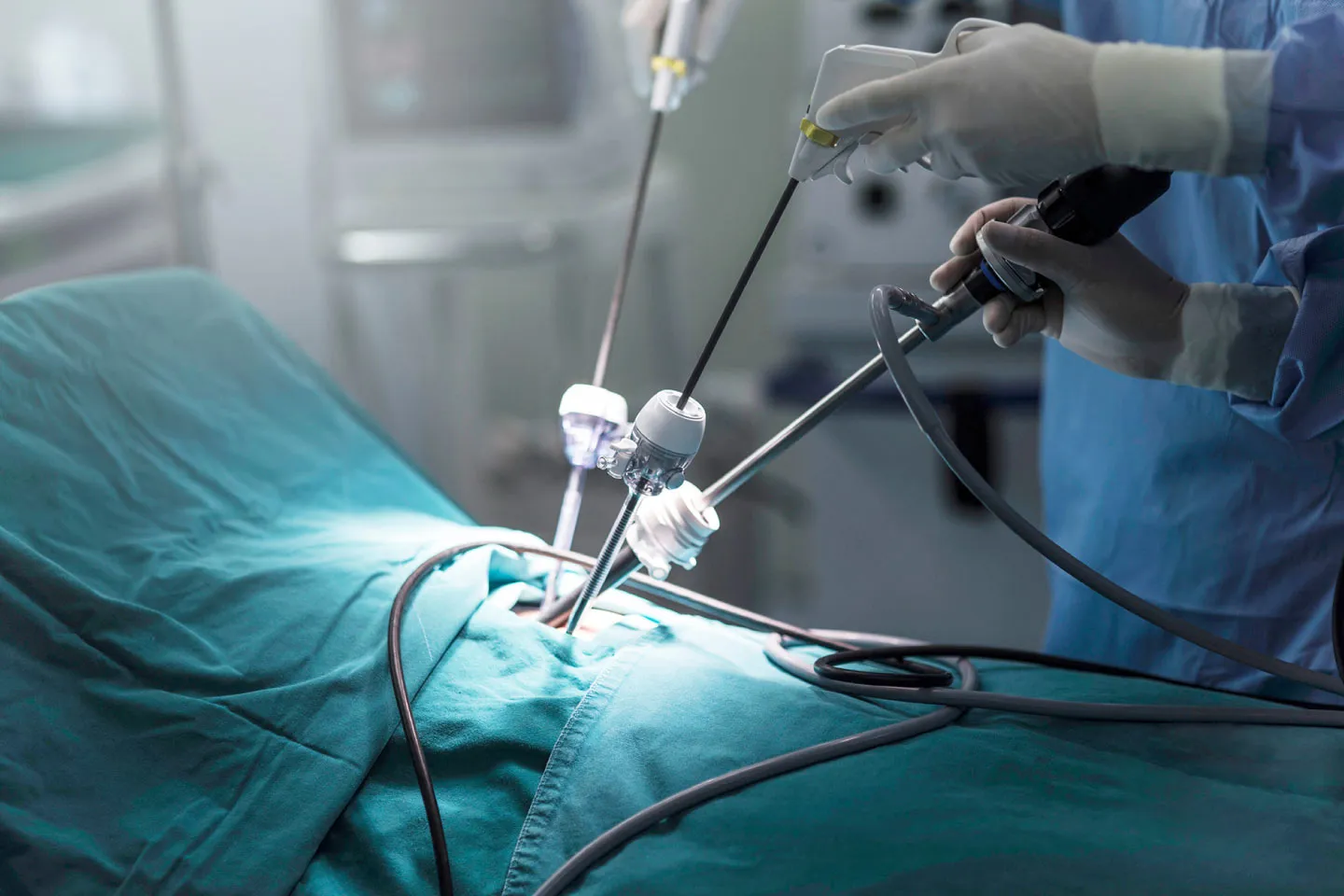
A laparoscopic colectomy is a surgical procedure used to remove a portion of the colon that has been affected by cancer. It is performed using a laparoscope, a small, flexible tube with a camera attached to it. During the procedure, small incisions are made in the abdomen, through which the surgeon inserts the laparoscope and other surgical instruments. The surgeon views the interior of the abdomen on a monitor and removes the affected part of the colon.
Unlike traditional open surgery, which requires a large incision, laparoscopic surgery is minimally invasive. This method results in smaller incisions, less pain, and quicker recovery times for patients. Laparoscopic colectomy is often performed for patients with colon cancer confined to a specific area of the colon, especially if it is located in the right or left side of the colon.
How Does Laparoscopic Colectomy Work?
The process of laparoscopic colectomy begins with the patient being placed under general anesthesia. Once the patient is sedated, the surgeon makes small incisions (usually around 3-5) in the abdomen. A carbon dioxide gas is pumped into the abdomen to inflate it, creating space for the surgeon to work. The laparoscope is inserted through one of these incisions to provide real-time images of the colon and surrounding tissues. Other surgical tools are inserted through the other incisions to remove the cancerous portion of the colon.
In some cases, the surgeon may perform a total colectomy, removing the entire colon if the cancer has spread throughout. After the removal of the affected area, the healthy sections of the colon are reconnected, and the incisions are closed. The procedure typically takes about 2-3 hours, depending on the complexity.
Benefits of Laparoscopic Colectomy
There are several advantages to laparoscopic colectomy compared to traditional open surgery:
- Smaller Incisions: The use of smaller incisions means less scarring and a reduced risk of infection.
- Quicker Recovery: Because the procedure is minimally invasive, recovery times are generally faster. Most patients can return to normal activities within 2-4 weeks, compared to 6-8 weeks with traditional surgery.
- Less Pain: With smaller incisions, patients typically experience less postoperative pain and discomfort.
- Lower Risk of Complications: Laparoscopic colectomy reduces the risk of complications such as infections, blood loss, and hernias, which are more common with open surgeries.
- Shorter Hospital Stay: Many patients who undergo laparoscopic colectomy can leave the hospital within 1-2 days, as opposed to a longer stay following open surgery.
Risks and Considerations
Like any surgery, laparoscopic colectomy carries some risks, including bleeding, infection, and damage to surrounding organs. However, these risks are relatively low with laparoscopic surgery compared to traditional methods. The procedure may not be suitable for all patients, especially if the cancer has spread extensively or if the tumor is located in an area that is difficult to access.
Conclusion
Laparoscopic colectomy is an advanced, minimally invasive surgical technique that plays a vital role in the treatment of colon cancer. It offers patients a quicker recovery, reduced pain, and fewer complications compared to traditional open surgery. If you or someone you know is undergoing treatment for colon cancer, discussing laparoscopic colectomy with best General, Laparoscopic and Bariatric Surgeon Dr.Niranjan P could be an important step in the journey toward recovery.

Dr. Niranjan P is a leading General and Laparoscopic Surgeon in Bengaluru, offering advanced minimally invasive treatments focused on precision, safety and faster patient recovery.


© Remedo 2026 | Dr. Niranjan P | All Rights Reserved | Digital Marketing by Remedo