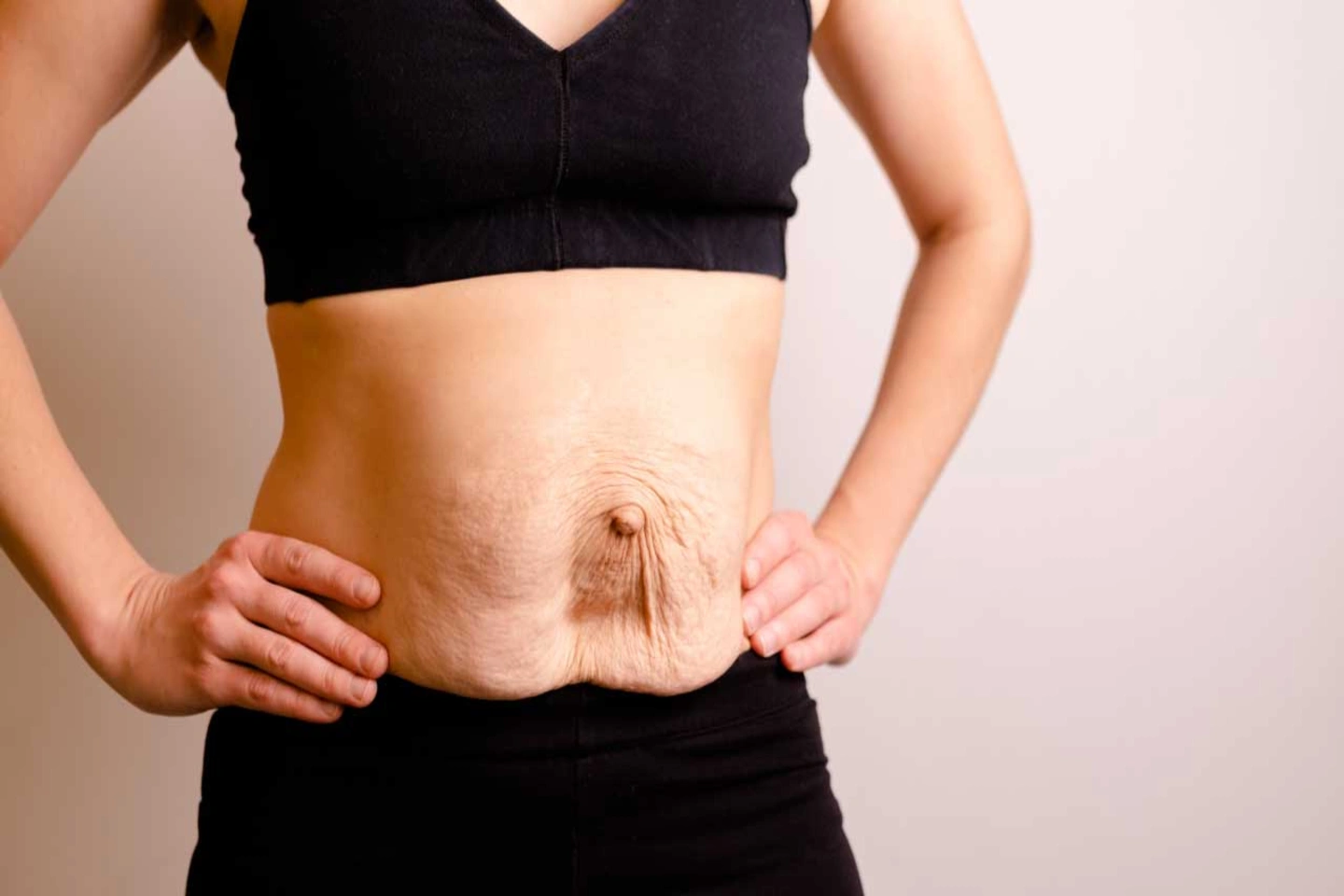
Pregnancy is a transformative journey, bringing about significant physical changes in a woman's body. While many changes are natural and expected, some complications, like hernias, can occur postpartum. A hernia after pregnancy can cause discomfort and affect a new mother's quality of life. This blog will explore what causes hernias after pregnancy, the symptoms to watch for, and the available treatment options. For expert advice and care, consult Dr. Niranjan P, a renowned General and Laparoscopic Surgeon in Bengaluru, Karnataka.
What is a Hernia?
A hernia occurs when an internal organ or tissue pushes through a weak spot in the muscle or surrounding tissue wall. During pregnancy, the abdominal muscles and tissues stretch to accommodate the growing baby, potentially leading to weaknesses that can result in a hernia.
Causes of Hernia After Pregnancy
Several factors can contribute to the development of a hernia postpartum:
- Abdominal Muscle Weakness: The stretching and separation of abdominal muscles during pregnancy (diastasis recti) can create a weak spot, increasing the risk of a hernia.
- Increased Intra-Abdominal Pressure: The pressure within the abdomen increases significantly during pregnancy, straining the abdominal wall.
- Heavy Lifting: Lifting heavy objects, including a baby, shortly after delivery can exacerbate the strain on weakened abdominal muscles.
- Multiple Pregnancies: Having multiple pregnancies can repeatedly stress the abdominal wall, heightening the risk of hernias.
- Cesarean Section: Surgical incisions from a C-section can weaken the abdominal wall, making hernias more likely.
Types of Hernias Common After Pregnancy
Several types of hernias can occur postpartum, including:
- Umbilical Hernia: Occurs near the belly button, where the abdominal muscles might not fully close after delivery.
- Incisional Hernia: Develops at a previous surgical incision site, such as from a C-section.
- Inguinal Hernia: Occurs in the groin area and is less common in women but can still happen postpartum.
Symptoms of a Hernia After Pregnancy
Recognizing the symptoms of a hernia is crucial for timely treatment. Common signs include:
- A noticeable bulge: A lump or bulge in the abdomen or groin area that becomes more apparent when standing, coughing, or straining.
- Pain or discomfort: Pain at the hernia site, especially when lifting, bending, or performing physical activities.
- Pressure or heaviness: A feeling of pressure or heaviness in the abdomen.
- Digestive issues: Sometimes, hernias can cause constipation or difficulty passing stools.
Diagnosis and Treatment
If you suspect you have a hernia postpartum, it is essential to seek medical advice. Dr. Niranjan P, a skilled General and Laparoscopic Surgeon in Bengaluru, Karnataka, can provide a thorough evaluation and recommend appropriate treatment options.
Diagnosis
Diagnosis typically involves a physical examination and may include imaging tests such as an ultrasound, CT scan, or MRI to confirm the presence and extent of the hernia.
Treatment Options
The treatment for a hernia depends on its size, severity, and the associated symptoms:
- Watchful Waiting: Small, asymptomatic hernias may only require monitoring without immediate intervention.
- Lifestyle Modifications: Avoiding heavy lifting and implementing gentle abdominal exercises to strengthen the core muscles can help manage symptoms.
- Surgical Repair: Surgery is often recommended for symptomatic hernias or those at risk of complications. There are two main surgical approaches:
- Open Surgery is a traditional method in which an incision is made near the hernia site, the protruding tissue is pushed back into place, and the weak spot is repaired.
- Laparoscopic Surgery: A minimally invasive technique using small incisions and specialized instruments to repair the hernia. This method often results in faster recovery and less postoperative pain.
Post-Surgery Recovery
Recovery from hernia surgery typically involves:
- Rest: Adequate rest and avoiding strenuous activities to allow the incision site to heal.
- Gradual Return to Activities: Gradually resume normal activities as your surgeon advises.
- Follow-Up Care: Regular follow-ups with your surgeon to monitor healing and address concerns.
Consulting a Specialist
For personalized advice and expert care regarding hernias after pregnancy, consult Dr. Niranjan P in Bengaluru, Karnataka. With extensive experience in General and Laparoscopic surgery, Dr. Niranjan P provides compassionate and comprehensive care to help you recover and regain your quality of life.
Experiencing a hernia after pregnancy can be challenging, but understanding the condition and seeking timely treatment can lead to successful outcomes. If you have concerns or symptoms about a hernia, don't hesitate to contact Dr. Niranjan P for expert guidance and care.

Dr. Niranjan P is a leading General and Laparoscopic Surgeon in Bengaluru, offering advanced minimally invasive treatments focused on precision, safety and faster patient recovery.


© Remedo 2026 | Dr. Niranjan P | All Rights Reserved | Digital Marketing by Remedo