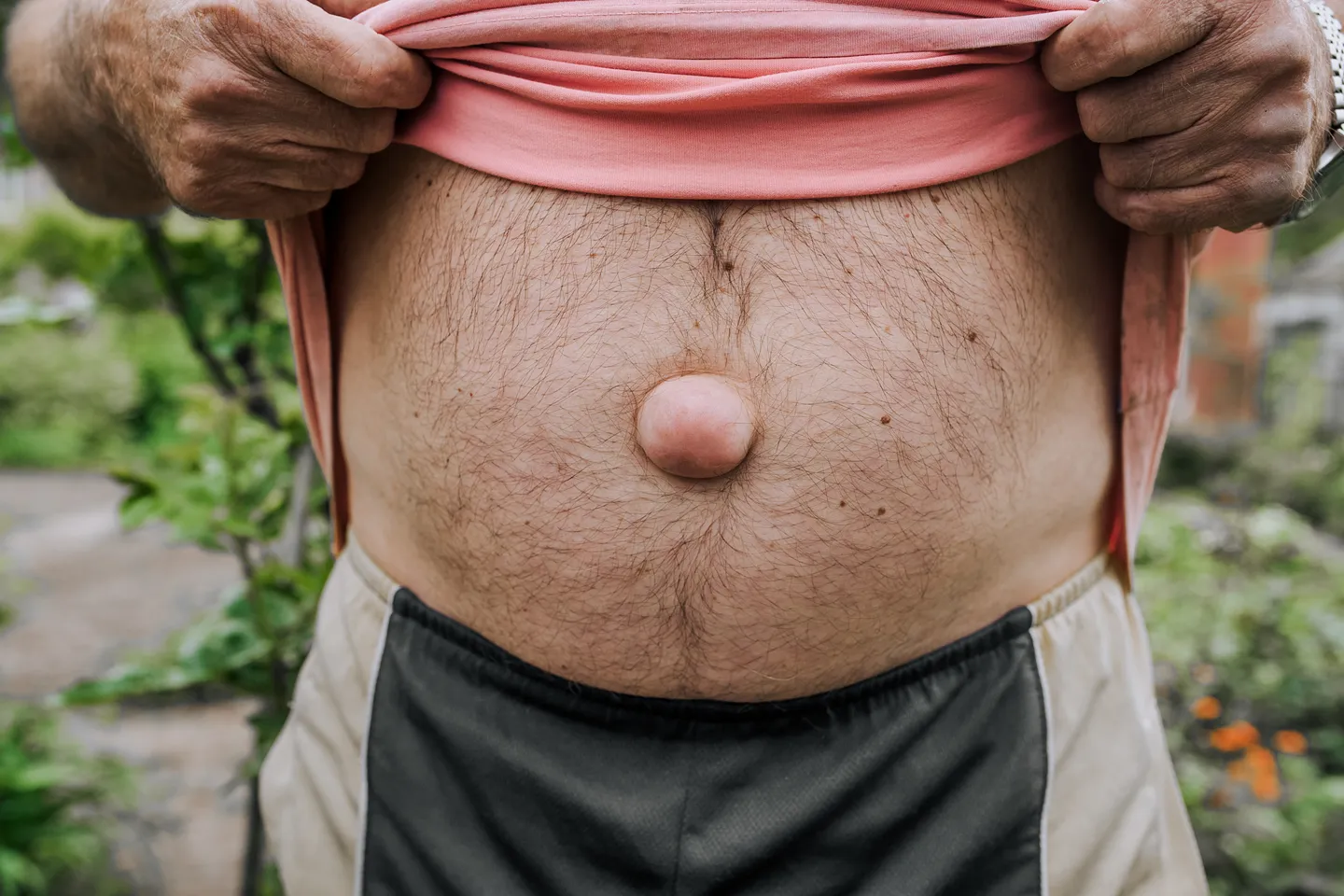
Hernia: The “Small Bulge” That Could Be a Big Threat to Your Health!
Have you noticed a small lump in your abdomen or groin that appears when you cough, bend, or lift something heavy? Many people dismiss it as harmless fat or swelling. But here’s the truth what looks like a minor bulge might actually be a hernia, and ignoring it can lead to severe complications.
Hernias don’t heal on their own. In fact, they tend to grow larger and more painful over time. The good news is that modern surgical techniques, especially laparoscopic surgery, make treatment safer and recovery faster than ever before. If you’re in Bengaluru, you can rely on Dr. Niranjan P, General & Laparoscopic Surgeon in Bengaluru, for expert diagnosis and minimally invasive hernia repair.
What Exactly Is a Hernia?
A hernia happens when an internal organ or tissue pushes through a weak spot in the muscle or surrounding tissue wall. It usually shows up as a visible bulge under the skin, often in the abdomen or groin area.
Types of Hernias You Should Know About
Inguinal Hernia
The most common type occurs when part of the intestine protrudes through the groin. More frequent in men.
Umbilical Hernia
Seen near the belly button. Common in infants but can also affect adults.
Incisional Hernia
Occurs at the site of a previous surgery if the abdominal wall doesn’t heal properly.
Hiatal Hernia
Happens when part of the stomach pushes into the chest through the diaphragm. Often linked with acid reflux.
Femoral Hernia
More common in women, it appears near the upper thigh or groin area.
What Causes a Hernia?
Hernias often result from a combination of muscle weakness and strain.
Common causes include:
- Heavy lifting without proper technique
- Chronic coughing or sneezing
- Obesity
- Pregnancy
- Previous surgeries
- Age-related muscle weakness
Warning Signs and Symptoms
Not all hernias cause symptoms, but when they do, the signs are clear.
Typical Symptoms
- A noticeable bulge in the abdomen or groin
- Pain or discomfort, especially when bending, coughing, or lifting
- A feeling of heaviness or pressure in the abdomen
- Burning or aching sensation at the bulge site
Dangerous Signs (Seek Immediate Help)
- Severe pain in the hernia site
- Nausea and vomiting
- Hernia that becomes hard, tender, or discoloured (possible strangulation)
Why Ignoring a Hernia Can Be Dangerous
Many people delay treatment because hernias may start off painless. But waiting is risky. Complications can include:
- Obstruction: The intestine gets trapped, causing blockage.
- Strangulation: Blood supply to the trapped tissue is cut off, leading to tissue death. This is a medical emergency.
How Is Hernia Diagnosed?
Diagnosis usually involves a physical examination, where the doctor checks for bulges when you stand, cough, or strain. In some cases, imaging tests like an ultrasound, CT scan, or MRI may be needed to confirm the type and severity of the hernia.
Treatment: Why Surgery Is the Only Permanent Solution
Hernias cannot be cured with medication, exercise, or lifestyle changes. Surgery is the only definitive treatment.
Types of Hernia Surgery
Open Hernia Repair
- A cut is made over the hernia site.
- The protruding tissue is pushed back, and the weakened muscle is reinforced with stitches or a mesh.
Laparoscopic Hernia Repair
- Performed through small keyhole incisions using a camera and instruments.
- The muscle wall is reinforced with surgical mesh.
- Benefits: Less pain, quicker recovery, smaller scars.
Recovery After Hernia Surgery
Recovery depends on the type of surgery performed.
What to Expect
- Discharge within 24–48 hours for laparoscopic surgery.
- Light activity after a few days.
- Full recovery within 2–3 weeks for laparoscopic repair, slightly longer for open repair.
Recovery Tips
- Avoid lifting heavy weights for a few weeks.
- Eat a high-fibre diet to prevent constipation.
- Follow your surgeon’s post-op instructions carefully.
Can a Hernia Come Back After Surgery?
Recurrence is rare but possible, especially if lifestyle changes are ignored. Maintaining a healthy weight, avoiding smoking, and lifting safely can lower the chances of recurrence.
Why Choose Laparoscopic Surgery for Hernia?
- Minimal scarring
- Less pain after surgery
- Faster recovery time
- Lower infection risks
That’s why choosing an experienced specialist like Dr. Niranjan P, General & Laparoscopic Surgeon in Bengaluru, is crucial for the best outcome.
FAQs About Hernia
Q1: Can I live with a hernia without surgery?
No. While some hernias may not cause pain initially, they won’t go away on their own and can become dangerous over time.
Q2: How do I know if my hernia is serious?
If the hernia becomes painful, hard, or discoloured, or if you experience vomiting and fever, seek emergency care.
Q3: Is hernia surgery safe?
Yes, hernia repair is one of the most common and safe surgeries performed worldwide, especially with laparoscopic techniques.
Q4: Can exercise help fix a hernia?
No. Exercise cannot close a hernia, but can help strengthen muscles after surgical repair (only after doctor approval).
Q5: Will I need a mesh for my hernia surgery?
In most cases, yes. Mesh reinforces the weakened area, reducing the risk of recurrence.
Conclusion: Don’t Let a “Small Lump” Risk Your Life
A hernia may start small, but the risks of ignoring it are far too big. With modern laparoscopic surgery, treatment is safe, quick, and effective. If you notice a bulge or persistent abdominal discomfort, don’t delay. Book a consultation with Dr. Niranjan P, General & Laparoscopic Surgeon in Bengaluru, and take the first step towards lasting relief and peace of mind.

Dr. Niranjan P is a leading General and Laparoscopic Surgeon in Bengaluru, offering advanced minimally invasive treatments focused on precision, safety and faster patient recovery.


© Remedo 2026 | Dr. Niranjan P | All Rights Reserved | Digital Marketing by Remedo