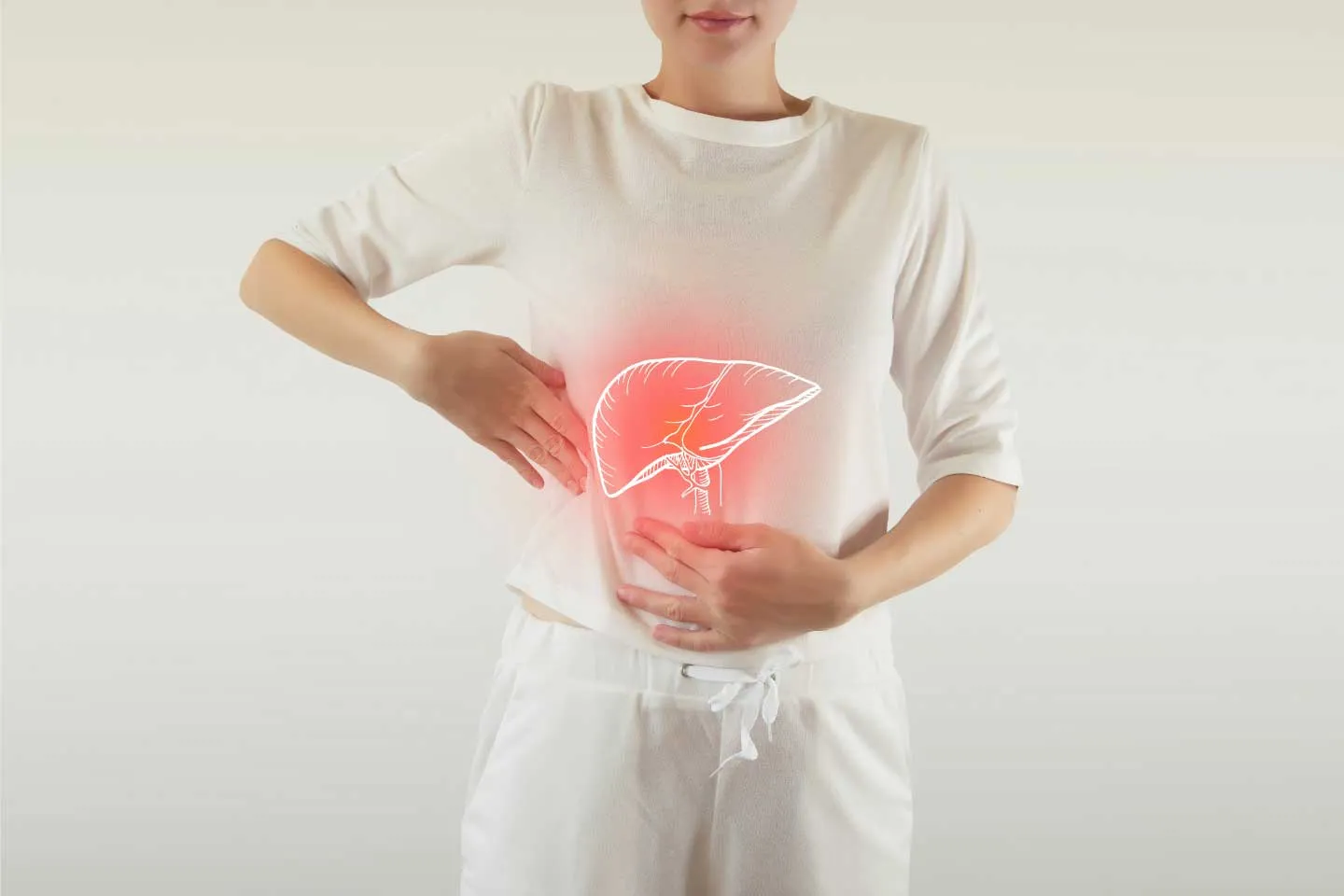
HPB (Hepato-Pancreato-Biliary) surgery encompasses a range of specialized surgical procedures to treat diseases and conditions affecting the liver, pancreas, and bile ducts. These organs are crucial for various bodily functions, including digestion and metabolism, making HPB surgery essential for managing complex conditions that can significantly impact health and quality of life.
Types of HPB Surgery
HPB surgery includes several types of procedures, each targeting specific organs and conditions:
- Liver Resection:This procedure involves removing a portion of the liver affected by tumours, cancer, or other conditions. It is often used to treat liver cancer or benign liver tumours.
- Pancreaticoduodenectomy (Whipple Procedure): The Whipple procedure is a complex surgery that involves removing the head of the pancreas, part of the small intestine, the gallbladder, and sometimes part of the stomach. It is commonly performed to treat pancreatic cancer and other conditions affecting the pancreas.
- Laparoscopic Liver Surgery: Minimally invasive surgery performed through small incisions using a laparoscope (a thin, flexible tube with a camera). It is used for liver biopsies, tumour removal, and other procedures.
- Bile Duct Surgery: Surgical interventions to address blockages, injuries, or cancers of the bile ducts. Procedures may include bile duct resection or reconstruction.
- Pancreatic Cyst Surgery: Removal or treatment of cysts in the pancreas, which can be benign or potentially cancerous.
Benefits of HPB Surgery
HPB surgery offers several benefits for patients with conditions affecting the liver, pancreas, and bile ducts:
- Improved Disease Management: Surgical interventions can effectively remove tumours, correct blockages, and address other issues, leading to better disease management and potentially increased survival rates.
- Enhanced Quality of Life: By treating symptoms and addressing underlying conditions, HPB surgery can improve overall quality of life, including alleviating pain, improving digestion, and restoring normal organ function.
- Minimally Invasive Options: Advancements in minimally invasive techniques, such as laparoscopic surgery, reduce recovery time, minimize scarring, and decrease the risk of complications.
- Personalized Treatment: HPB surgery allows for tailored treatment plans based on the specific condition, size, and location of the problem, leading to more effective and targeted care.
Critical Considerations for HPB Surgery
While HPB surgery offers significant benefits, there are important considerations to keep in mind:
- Preoperative Assessment: A thorough evaluation, including imaging studies, blood tests, and possibly biopsy, is essential to determine the appropriate surgical approach and ensure the best outcomes.
- Surgical Risks: As with any major surgery, HPB procedures come with risks such as infection, bleeding, and anesthesia-related complications. Discussing these risks with your surgeon is crucial.
- Recovery and Rehabilitation: Recovery from HPB surgery can vary based on the type of procedure and individual patient factors. Postoperative care, including pain management, dietary adjustments, and physical therapy, plays a vital role in the recovery process.
- Long-Term Follow-Up: Regular follow-up appointments are necessary to monitor recovery, manage complications, and ensure that the underlying condition remains controlled.
Conclusion
HPB surgery is a specialized field that addresses complex liver, pancreas, and bile duct conditions. Patients can make informed decisions about their treatment options by understanding the types of procedures, benefits, and key considerations. Consulting with a qualified HPB surgeon is essential for personalized care and optimal outcomes.
For expert evaluation and management of HPB conditions, consult Dr. Niranjan P, a leading specialist in General & Laparoscopic Surgeon Specialist based in Bengaluru, Karnataka. With extensive experience and a commitment to advanced surgical techniques, Dr. Niranjan P offers personalized care to address your unique needs and improve your health outcomes.

Dr. Niranjan P is a leading General and Laparoscopic Surgeon in Bengaluru, offering advanced minimally invasive treatments focused on precision, safety and faster patient recovery.


© Remedo 2026 | Dr. Niranjan P | All Rights Reserved | Digital Marketing by Remedo