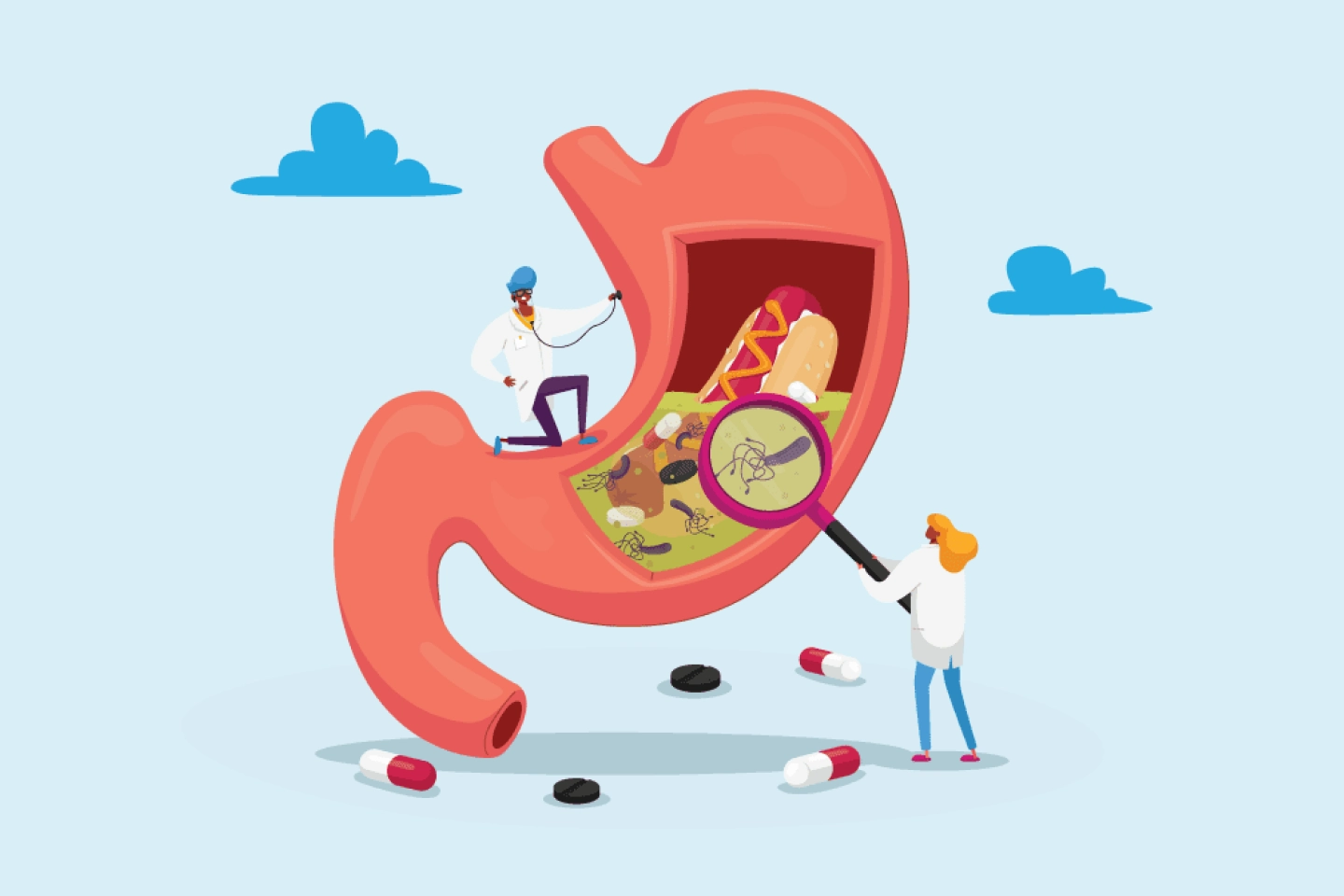
What is Gastritis?
Gastritis is a condition characterized by inflammation of the stomach lining. This inflammation can be acute, appearing suddenly and intensely, or chronic, developing gradually. Various factors can contribute to the development of gastritis, including infections, lifestyle habits, and certain medications.
Causes of Gastritis
Dr. Niranjan P, a renowned gastroenterologist based in Bengaluru, Karnataka, explains that the most common cause of gastritis is Helicobacter pylori (H. pylori) bacteria infection. Other significant causes include:
- Excessive Alcohol Consumption: Alcohol can irritate and erode the stomach lining, leading to inflammation.
- Prolonged Use of NSAIDs: Nonsteroidal anti-inflammatory drugs (like ibuprofen and aspirin) can damage the stomach lining, especially with long-term use.
- Stress: Severe stress due to major surgery, injury, burns, or severe infections can increase the risk of gastritis.
- Autoimmune Disorders: Sometimes, the body's immune system can mistakenly attack the stomach lining, leading to gastritis.
- Other Factors: Smoking, chronic vomiting, and bile reflux can also contribute to the condition.
Symptoms of Gastritis
The symptoms of gastritis can vary from person to person. According to Dr. Niranjan P, some common symptoms include:
- Abdominal Pain: Typically in the upper abdomen, which may be described as burning or gnawing.
- Nausea and Vomiting: Feeling sick and the urge to vomit.
- Bloating: A feeling of fullness in the upper abdomen after eating.
- Indigestion: Discomfort or stomach pain associated with difficulty digesting food.
- Loss of Appetite: Reduced desire to eat.
- Black Stools: Indicating bleeding in the stomach.
Diagnosis of Gastritis
To diagnose gastritis, Dr. Niranjan P often recommends the following tests:
- Endoscopy: A thin, flexible tube with a camera (endoscope) is inserted down the throat to examine the stomach lining.
- Biopsy: During an endoscopy, a small sample of the stomach lining may be taken for laboratory analysis.
- Blood Tests: To check for H. pylori infection, anemia, or other related conditions.
- Stool Test: To detect the presence of H. pylori bacteria.
- Urea Breath Test: To identify H. pylori by measuring carbon dioxide in the breath after ingesting a urea solution.
Treatment of Gastritis
The treatment for gastritis depends on the underlying cause. Dr. Niranjan P outlines several approaches:
Medications:
- Antibiotics: To treat H. pylori infection.
- Proton Pump Inhibitors (PPIs): To reduce stomach acid production.
- H2 Blockers: To decrease acid production.
- Antacids: To neutralize stomach acid and provide quick relief.
Lifestyle and Dietary Changes
- Avoiding Alcohol and Smoking: Both can irritate the stomach lining.
- Eating Smaller, More Frequent Meals: To ease the digestive process.
- Avoiding Spicy, Acidic, or Fried Foods: These can exacerbate symptoms.
- Managing Stress: Techniques like meditation, yoga, and deep breathing exercises can help.
Addressing Underlying Conditions: If an autoimmune disorder or another condition is contributing to gastritis, treating that condition can alleviate symptoms.
Preventing Gastritis
Dr. Niranjan P emphasizes that prevention is always better than cure. Here are some tips to help prevent gastritis:
- Healthy Eating Habits: Avoid overeating and incorporate a balanced diet of fruits, vegetables, and whole grains.
- Moderate Alcohol Consumption: Limit alcohol intake to reduce stomach irritation.
- Use Medications Wisely: Take NSAIDs as directed and consider alternatives if needed.
- Regular Medical Check-ups: Early detection and management of H. pylori infections and other risk factors.
- Stress Management: Engage in regular physical activity and relaxation techniques to reduce stress.
When to See a Doctor
If you experience persistent stomach pain, nausea, vomiting, or any other gastritis symptoms, it's essential to consult a healthcare professional. Dr. Niranjan P advises seeking immediate medical attention if you notice blood in your vomit or stools, as these can be signs of severe gastritis or other serious conditions.
Conclusion
Gastritis is a common condition that can cause significant discomfort but is manageable with the right approach. You can effectively manage and prevent gastritis by understanding the causes, symptoms, and treatments and making informed lifestyle choices. Consulting with an experienced gastroenterologist like Dr. Niranjan P in Bengaluru can provide personalised care and guidance for those with this condition.

Dr. Niranjan P is a leading General and Laparoscopic Surgeon in Bengaluru, offering advanced minimally invasive treatments focused on precision, safety and faster patient recovery.


© Remedo 2026 | Dr. Niranjan P | All Rights Reserved | Digital Marketing by Remedo