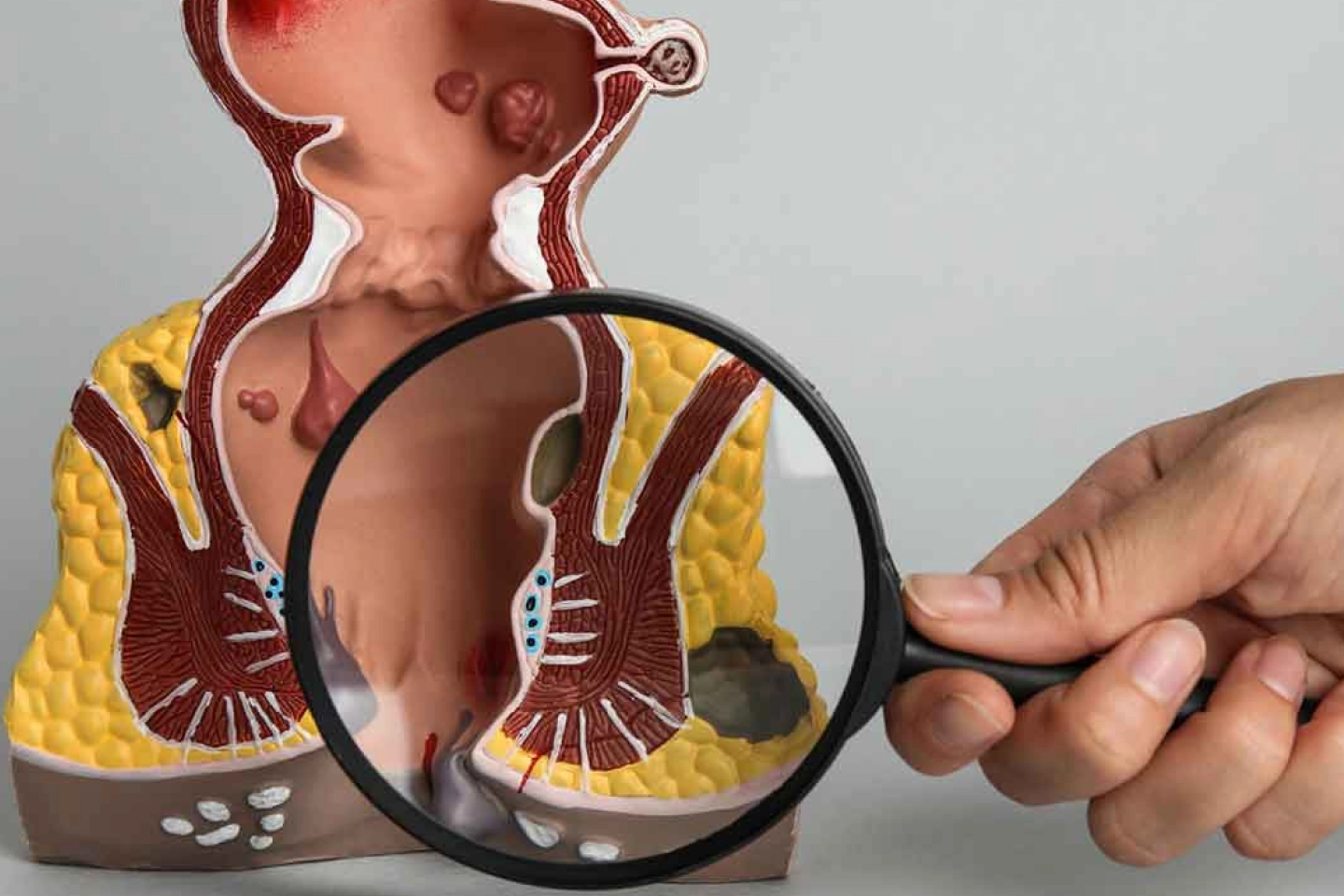
A fistula is an abnormal connection or passage between two organs or vessels that are not normally connected. If left untreated, this medical condition can cause significant discomfort and lead to various complications. Understanding the types, causes, symptoms, and treatment options for fistulas is crucial for effectively managing and resolving this condition.
Types of Fistulas
Fistulas can occur in different areas of the body, and they are typically classified based on their location:
- Anal Fistulas: These occur between the anal canal and the surrounding skin. They often develop as a complication of anal abscesses and can lead to persistent discharge and discomfort.
- Rectovaginal Fistula: A connection between the rectum and the vagina; rectovaginal fistulas can result from childbirth, surgery, or certain diseases. They cause leakage of stool or gas through the vagina.
- Ureterovaginal Fistulas: These form between the ureter (the tube that carries urine from the kidney to the bladder) and the vagina. They can lead to urinary incontinence and discomfort.
- Enteric Fistulas: Occurring between the intestine and other organs or the skin, enteric fistulas can result from conditions like Crohn's disease or complications from surgery.
Causes of Fistulas
Fistulas can develop due to a variety of factors, including:
- Infections and Inflammation: Chronic infections or inflammatory conditions such as Crohn's disease can lead to the formation of fistulas. Infections may cause tissue damage and create abnormal connections.
- Surgical Complications: Surgical procedures, particularly those involving the digestive tract or reproductive organs, can sometimes lead to the formation of fistulas if there is poor healing or infection.
- Trauma: Injuries or trauma to the organs can result in fistulas. This may include accidents or injuries sustained during childbirth.
- Cancer: Certain types of cancer, particularly those affecting the digestive or reproductive systems, can lead to the development of fistulas.
Symptoms of Fistulas
The symptoms of a fistula depend on its location and type. Common symptoms include:
- Anal Fistulas: Pain around the anus, discharge of pus or blood, and itching.
- Rectovaginal Fistulas: Leakage of stool or gas from the vagina, discomfort, and potential infections.
- Ureterovaginal Fistulas: Frequent urinary tract infections, urinary incontinence, and discomfort.
- Enteric Fistulas: Leakage of intestinal contents through the skin or other organs, abdominal pain, and dehydration.
Diagnosis of Fistulas
Accurate diagnosis of a fistula typically involves several steps:
- Medical History and Physical Examination: A thorough review of symptoms and medical history, along with a physical examination, helps identify the presence of a fistula.
- Imaging Studies: Techniques such as ultrasound, CT scans, or MRI may be used to visualize the fistula and determine its extent and connections.
- Endoscopy: In some cases, endoscopic procedures may inspect the internal organs and identify the fistula.
Treatment Options for Fistulas
Treatment for fistulas depends on their type, location, and severity. Options include:
1. Medications
- Antibiotics: To manage infections that may contribute to or result from fistulas.
- Anti-inflammatory Drugs: To reduce inflammation and promote healing.
2. Surgical Intervention
- Fistulotomy: Surgical removal of the fistula tract, often used for anal fistulas.
- Fistulectomy: Removal of the fistula and affected tissue, used for more complex cases.
- Flap Repair: Using tissue flaps to close the fistula and promote healing, often used for rectovaginal or ureterovaginal fistulas.
3. Lifestyle and Dietary Changes
Adjustments in diet and lifestyle may be recommended to support healing and manage symptoms, such as avoiding foods that exacerbate symptoms or ensuring proper hydration.
Conclusion
Fistulas are complex conditions that require accurate diagnosis and effective treatment to manage symptoms and prevent complications. Whether caused by infections, surgical complications, or other factors, understanding the types of fistulas and available treatment options can help you make informed decisions about your health. If you suspect you have a fistula, consult with a healthcare professional to receive a personalized treatment plan.
For expert evaluation and management of fistulas, consult Dr. Niranjan P, a leading specialist in General & Laparoscopic surgeon Specialist based in Bengaluru, Karnataka. With extensive experience and a commitment to patient care, Dr. Niranjan P offers comprehensive treatment options tailored to your needs.

Dr. Niranjan P is a leading General and Laparoscopic Surgeon in Bengaluru, offering advanced minimally invasive treatments focused on precision, safety and faster patient recovery.


© Remedo 2026 | Dr. Niranjan P | All Rights Reserved | Digital Marketing by Remedo