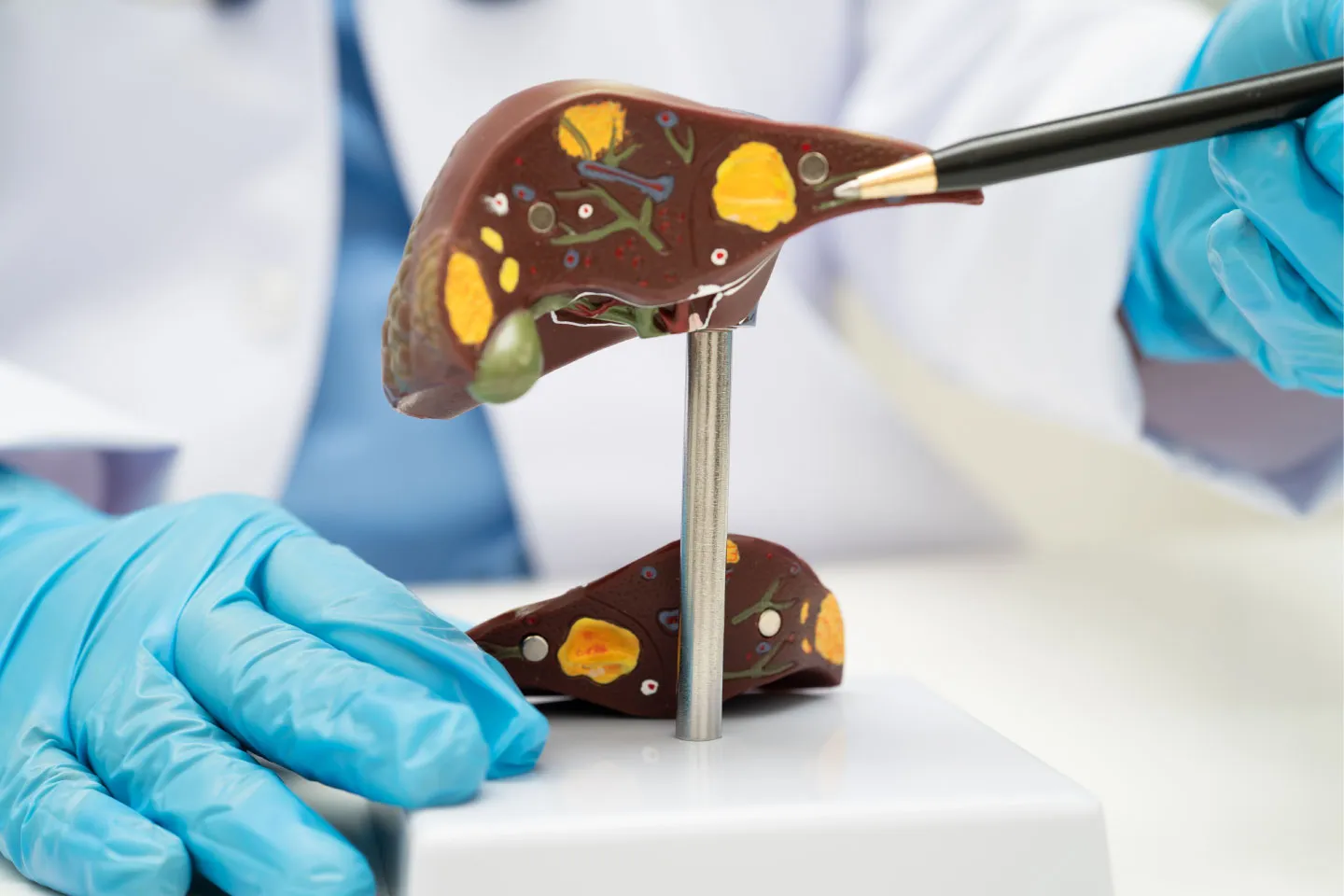
Fatty liver disease, once primarily associated with adults, is increasingly becoming a concern for children as well. Here are some common questions and answers regarding fatty liver disease in children:
What is fatty liver disease in children?
Fatty liver disease in children, also known as pediatric nonalcoholic fatty liver disease (NAFLD), is a condition characterized by the accumulation of fat in the liver cells of children who consume no alcohol. It's a spectrum disorder ranging from simple fatty liver to nonalcoholic steatohepatitis (NASH), which can lead to liver inflammation and scarring.
What causes fatty liver disease in children?
The exact cause of NAFLD in children isn't fully understood, but it's often associated with obesity, insulin resistance, high blood sugar, high cholesterol, and a sedentary lifestyle. Genetics and certain medical conditions may also play a role.
What are the symptoms of fatty liver disease in children?
Many children with NAFLD may not have any noticeable symptoms. However, some may experience fatigue, abdominal pain, enlarged liver, or yellowing of the skin and eyes (jaundice). In severe cases, NAFLD can progress to cirrhosis or liver failure.
How is fatty liver disease diagnosed in children?
NAFLD is often diagnosed incidentally during routine medical exams or blood tests. If NAFLD is suspected, further tests may include imaging studies such as ultrasound, MRI, or CT scans, as well as liver biopsy to assess the extent of liver damage.
Can fatty liver disease in children be prevented?
Yes, in many cases, fatty liver disease in children can be prevented or managed through lifestyle changes. Encouraging a healthy diet rich in fruits, vegetables, whole grains, lean proteins, and regular physical activity can help prevent or reduce the risk of NAFLD.
How is fatty liver disease treated in children?
Treatment for NAFLD in children focuses on lifestyle modifications, including dietary changes and increased physical activity to promote weight loss and improve insulin sensitivity. In some cases, medications may be prescribed to manage underlying conditions such as high cholesterol or insulin resistance.
Is fatty liver disease reversible in children?
With early diagnosis and intervention, fatty liver disease in children can be reversible. By making lifestyle changes, such as adopting a healthy diet and increasing physical activity, many children can improve liver health and prevent the progression of NAFLD to more severe stages.
Are there any complications associated with fatty liver disease in children?
Yes, fatty liver disease in children can lead to several complications, including liver inflammation (NASH), liver fibrosis, cirrhosis, and an increased risk of cardiovascular disease. In severe cases, NAFLD can progress to liver failure, necessitating a liver transplant.
How common is fatty liver disease in children?
The prevalence of NAFLD in children is increasing worldwide, paralleling the rising rates of childhood obesity. It's estimated that up to 10% of children may have NAFLD, making it one of the most common liver disorders in children.
What should parents do if they suspect their child has fatty liver disease?
If parents suspect their child may have fatty liver disease, they should consult Dr. Niranjan P. Early detection and intervention are crucial to managing NAFLD and preventing potential complications. Dr. Niranjan P can assess the child's symptoms, perform necessary tests, and recommend appropriate treatment and lifestyle changes.
Consult us before it’s too late to take action.

Dr. Niranjan P is a leading General and Laparoscopic Surgeon in Bengaluru, offering advanced minimally invasive treatments focused on precision, safety and faster patient recovery.


© Remedo 2026 | Dr. Niranjan P | All Rights Reserved | Digital Marketing by Remedo