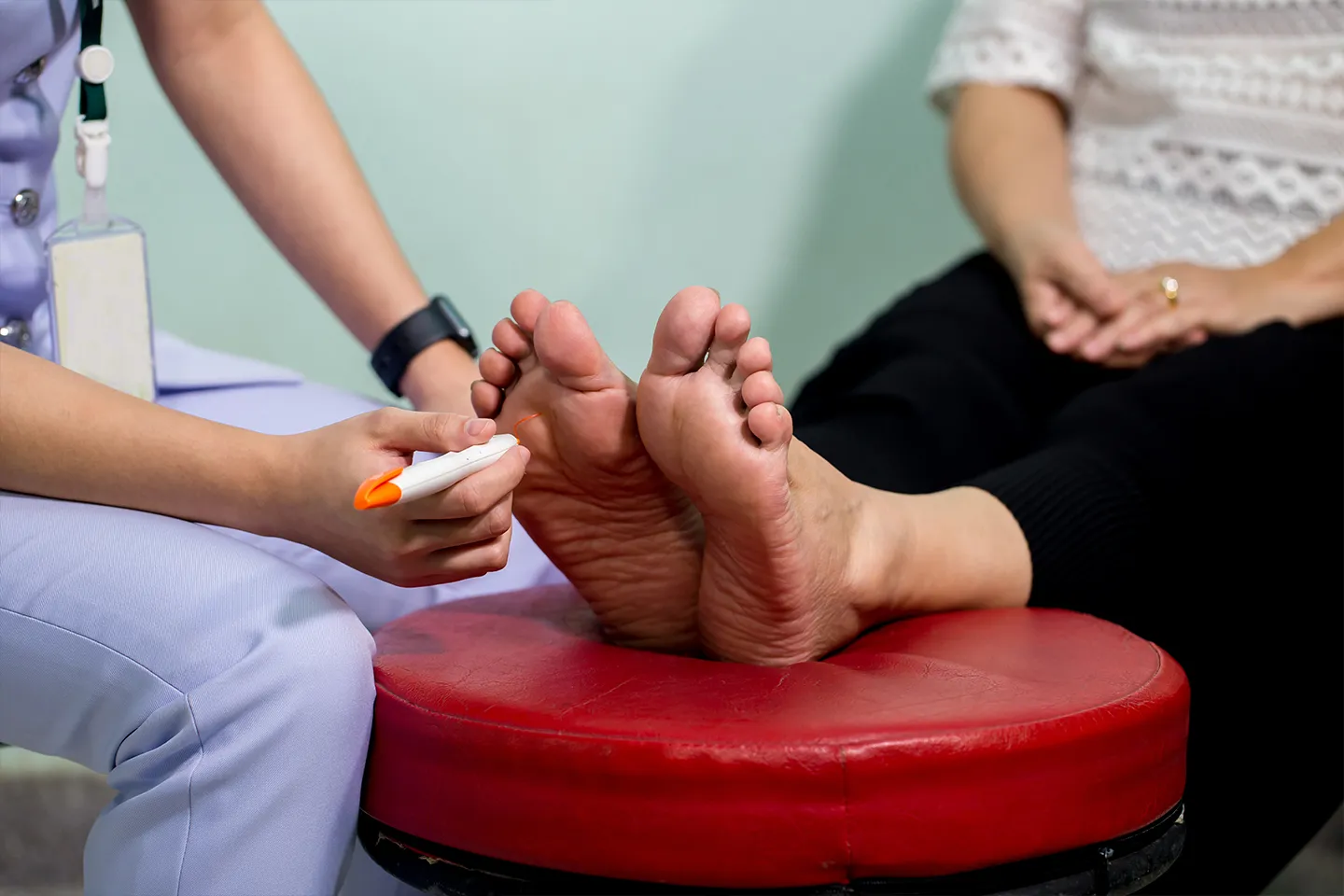
Diabetic ulcers, though often overlooked, are a serious complication of diabetes that can lead to severe complications if left untreated. These ulcers are slow-healing wounds that commonly occur on the feet and legs of individuals with diabetes, and they require prompt attention and specialized care. Let's explore the causes, symptoms, diagnosis, treatment, prevention, and when to seek medical help for diabetic ulcers.
Causes of Diabetic Ulcers
Diabetic ulcers develop as a result of several factors associated with diabetes, including:
- Peripheral neuropathy: Nerve damage caused by diabetes can result in loss of sensation in the feet, making individuals less aware of injuries or pressure points that can lead to ulcers.
- Peripheral artery disease (PAD): Poor circulation due to PAD can impair blood flow to the extremities, leading to delayed wound healing and an increased risk of ulcers.
- Foot deformities: Conditions such as Charcot foot or hammertoes can create pressure points or abnormalities in the foot structure, increasing the risk of ulcers.
- Impaired immune function: Diabetes can weaken the immune system, making individuals more susceptible to infections that can lead to ulcer formation.
Symptoms and Diagnosis
The symptoms of diabetic ulcers may include:
- Open sores or wounds on the feet or legs
- Redness, swelling, or warmth around the wound
- Drainage or pus from the wound
- Foul odor
- Signs of infection, such as fever or chills
Diagnosing diabetic ulcers typically involves a thorough physical examination by a healthcare professional. In some cases, imaging tests such as X-rays or MRIs may be used to assess the extent of tissue damage or identify underlying bone infections.
Risk Factors for Diabetic Ulcers
Several factors increase the risk of developing diabetic ulcers, including:
- Poorly controlled blood sugar levels
- Long-standing diabetes
- Smoking
- Peripheral neuropathy
- Peripheral artery disease
- Foot deformities
- History of previous ulcers or amputations
Treatment of Diabetic Ulcers
Treatment for diabetic ulcers aims to promote wound healing, prevent infection, and reduce the risk of complications. Treatment options may include:
- Debridement: Removal of dead or infected tissue from the wound to promote healing.
- Dressings: Application of specialized dressings to keep the wound moist and protect it from infection.
- Offloading: Relieving pressure from the affected area using orthotic inserts, braces, or specialized footwear devices.
- Antibiotics: Oral or topical antibiotics may be prescribed to treat or prevent infections associated with the ulcer.
- Surgical intervention: In severe cases or those involving underlying bone infections, surgical procedures such as debridement, amputation, or skin grafting may be necessary.
Prevention of Diabetic Ulcers
Preventing diabetic ulcers is essential for individuals with diabetes to maintain foot health and prevent complications. Prevention strategies may include:
- Regular foot inspections: Check the feet daily for signs of redness, blisters, or wounds.
- Proper foot care: Keeping the feet clean, moisturized, and protected from injury.
- Footwear: Wearing well-fitting shoes with adequate support and cushioning to reduce pressure points.
- Blood sugar control: Monitor blood sugar levels regularly and follow a diabetes management plan prescribed by a healthcare provider.
- Regular foot exams: Undergoing regular foot exams by a healthcare professional to assess nerve function, circulation, and skin integrity.
When to See Dr. Niranjan
It's essential to seek medical attention promptly if you notice any signs or symptoms of diabetic ulcers, including open sores, redness, swelling, or drainage from wounds. Early intervention can prevent complications and promote faster healing, improving outcomes for individuals with diabetes.
In conclusion, understanding the causes, symptoms, diagnosis, treatment, prevention, and when to seek medical help for diabetic ulcers is essential for individuals with diabetes to maintain foot health and prevent complications. By adopting proactive foot care practices and seeking prompt medical attention when needed, individuals can reduce the risk of diabetic ulcers and improve their overall quality of life.

Dr. Niranjan P is a leading General and Laparoscopic Surgeon in Bengaluru, offering advanced minimally invasive treatments focused on precision, safety and faster patient recovery.


© Remedo 2026 | Dr. Niranjan P | All Rights Reserved | Digital Marketing by Remedo