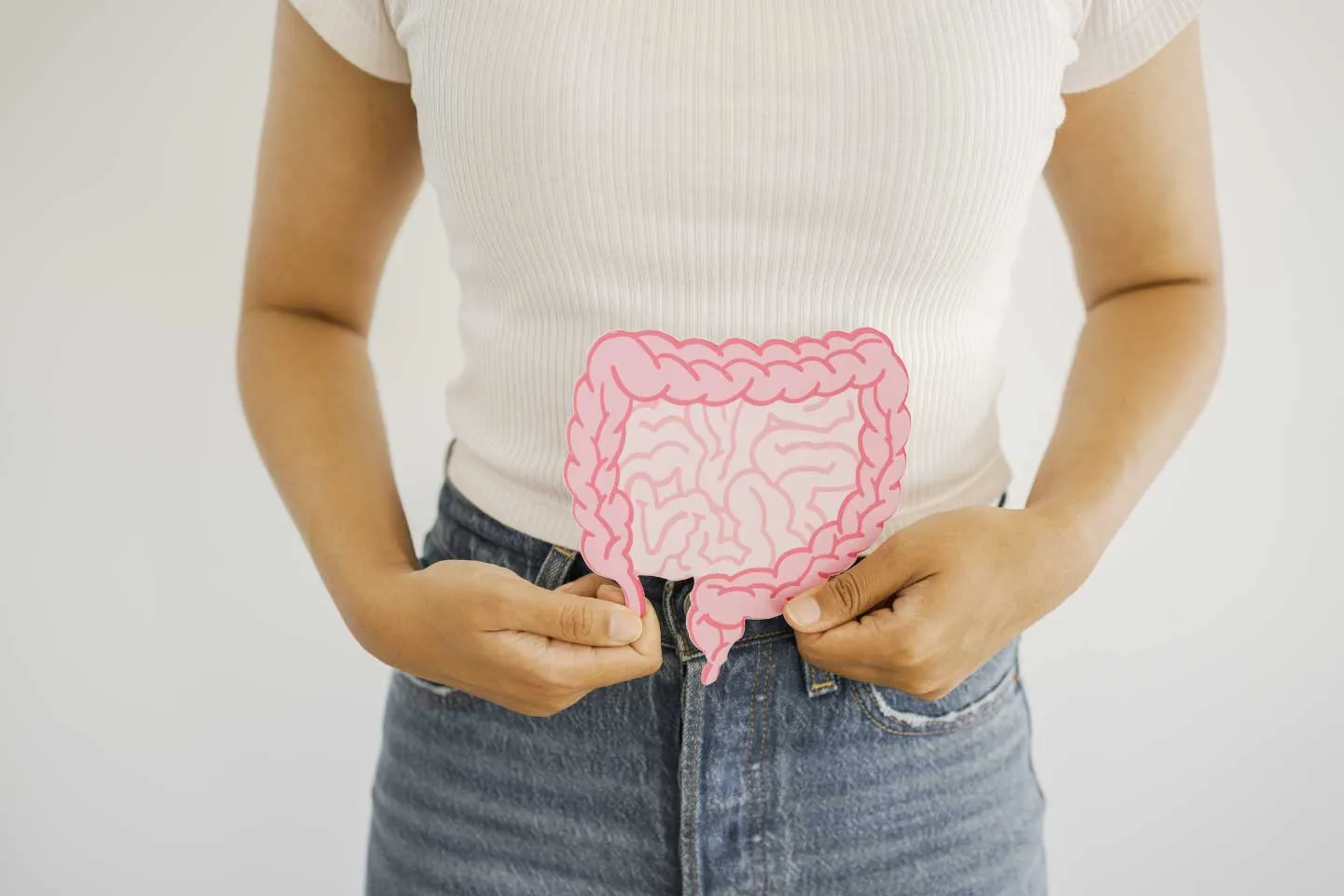
Early detection and timely surgery are the most effective ways to treat colon cancer and increase survival rates.
Colon cancer is one of the most common cancers worldwide, but the good news is that it’s also one of the most preventable and treatable types of cancer if caught early. Early detection can significantly improve the chances of successful treatment and long-term survival. Surgery is often the key treatment for colon cancer, and when done at the right stage, it can save lives.
What is Colon Cancer?
Colon cancer, also known as colorectal cancer, begins in the large intestine (colon) or the rectum. It often starts as small, benign clumps of cells called polyps. Over time, these polyps can become cancerous. Colon cancer can spread (metastasize) to other parts of the body, but it typically develops slowly, making early detection crucial for successful treatment.
Why Early Detection is Crucial
- Colon cancer often has no symptoms in early stages making screening essential.
- Early-stage cancer is easier to treat and often curable.
- Screening starts at age 45 for most; earlier if you have risk factors or family history.
Common Screening Methods
- Colonoscopy – Examines the entire colon for polyps or cancer.
- FOBT – Detects hidden blood in stool.
- Stool DNA Test – Finds genetic markers linked to colon cancer.
Signs and Symptoms of Colon Cancer
While early colon cancer may not show symptoms, advanced stages can lead to noticeable changes in your health. Symptoms to watch for include:
- Blood in the stool or dark-colored stool.
- Unexplained weight loss.
- Persistent abdominal discomfort, such as cramps, gas, or bloating.
- Changes in bowel habits, including diarrhea or constipation.
- Fatigue or weakness.
If you experience any of these symptoms, it’s essential to see your doctor as soon as possible. Although these symptoms can be caused by conditions other than colon cancer, they should never be ignored.
The Role of Surgery in Colon Cancer Treatment
Surgery is the most common and effective treatment for colon cancer, particularly in the early stages. The goal of surgery is to remove the tumor and any surrounding tissue that may be affected. If the cancer has spread to nearby lymph nodes, they may also be removed.
Types of Surgery for Colon Cancer
Colon Resection (Colectomy)
In a colon resection, the surgeon removes the cancerous portion of the colon. If the cancer is confined to a small area, the surgeon may remove just the tumor and a small margin of healthy tissue. In some cases, the colon is reconnected, and normal bowel function is restored.
Minimally Invasive Surgery (Laparoscopic Surgery)
In laparoscopic surgery, the surgeon makes a few small incisions and uses a camera and specialized tools to remove the tumor. This method leads to smaller scars, less pain, and quicker recovery compared to traditional open surgery.
Colostomy
In advanced cases where the tumor is blocking the colon, a colostomy may be necessary. This involves creating an opening in the abdomen to allow waste to exit the body into a bag. This procedure may be temporary or permanent, depending on the cancer's extent.
The success of colon cancer surgery depends on how early the cancer is detected. The earlier the surgery, the better the chance of complete removal and recovery.
How Early Detection and Surgery Save Lives
When colon cancer is detected early, the chances of survival are much higher. According to the American Cancer Society, the 5-year survival rate for localized colon cancer (cancer confined to the colon) is about 90%. However, if the cancer has spread to other parts of the body, the survival rate drops significantly.
Surgery offers the best chance of removing cancer before it spreads. If colon cancer is diagnosed early, surgery can often completely cure the disease. In more advanced stages, surgery can help remove as much of the cancer as possible and relieve symptoms, significantly improving quality of life.
Conclusion: The Power of Early Detection and Surgery
Colon cancer is a serious disease, but early detection through regular screening and timely surgery can save lives. If you’re over 45 or have a family history of colon cancer, it’s essential to start regular screenings to catch the disease early. If colon cancer is diagnosed, surgery remains the most effective way to treat it. By staying proactive about your health, you can significantly reduce your risk and improve your chances of successful treatment.

Dr. Niranjan P is a leading General and Laparoscopic Surgeon in Bengaluru, offering advanced minimally invasive treatments focused on precision, safety and faster patient recovery.


© Remedo 2026 | Dr. Niranjan P | All Rights Reserved | Digital Marketing by Remedo